North Texas
Commercial Real Estate Services

CONTACT US TODAY!

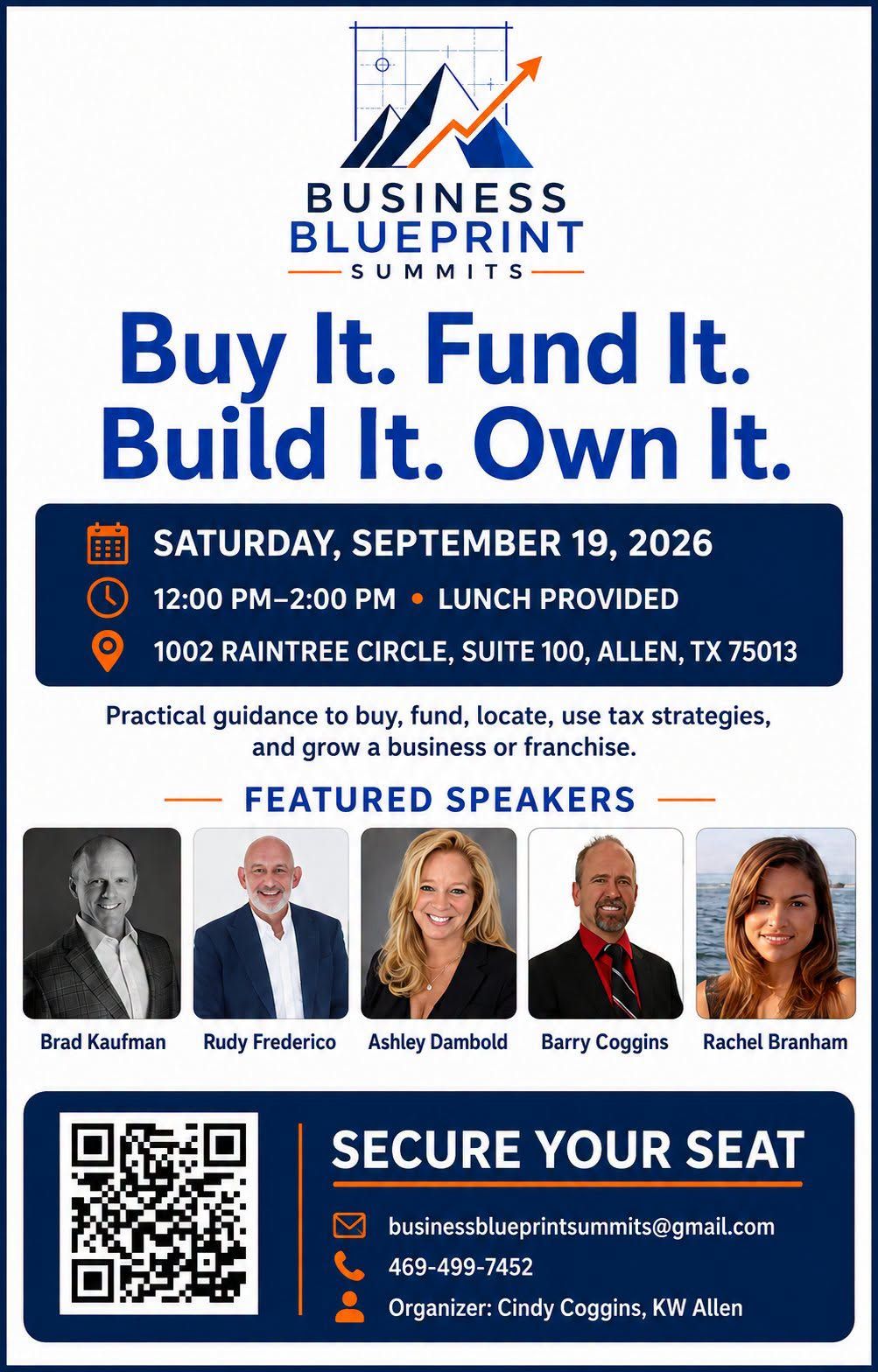
Missed the Business Blueprint Summit?


The Summit may be over, but the connections are still available.


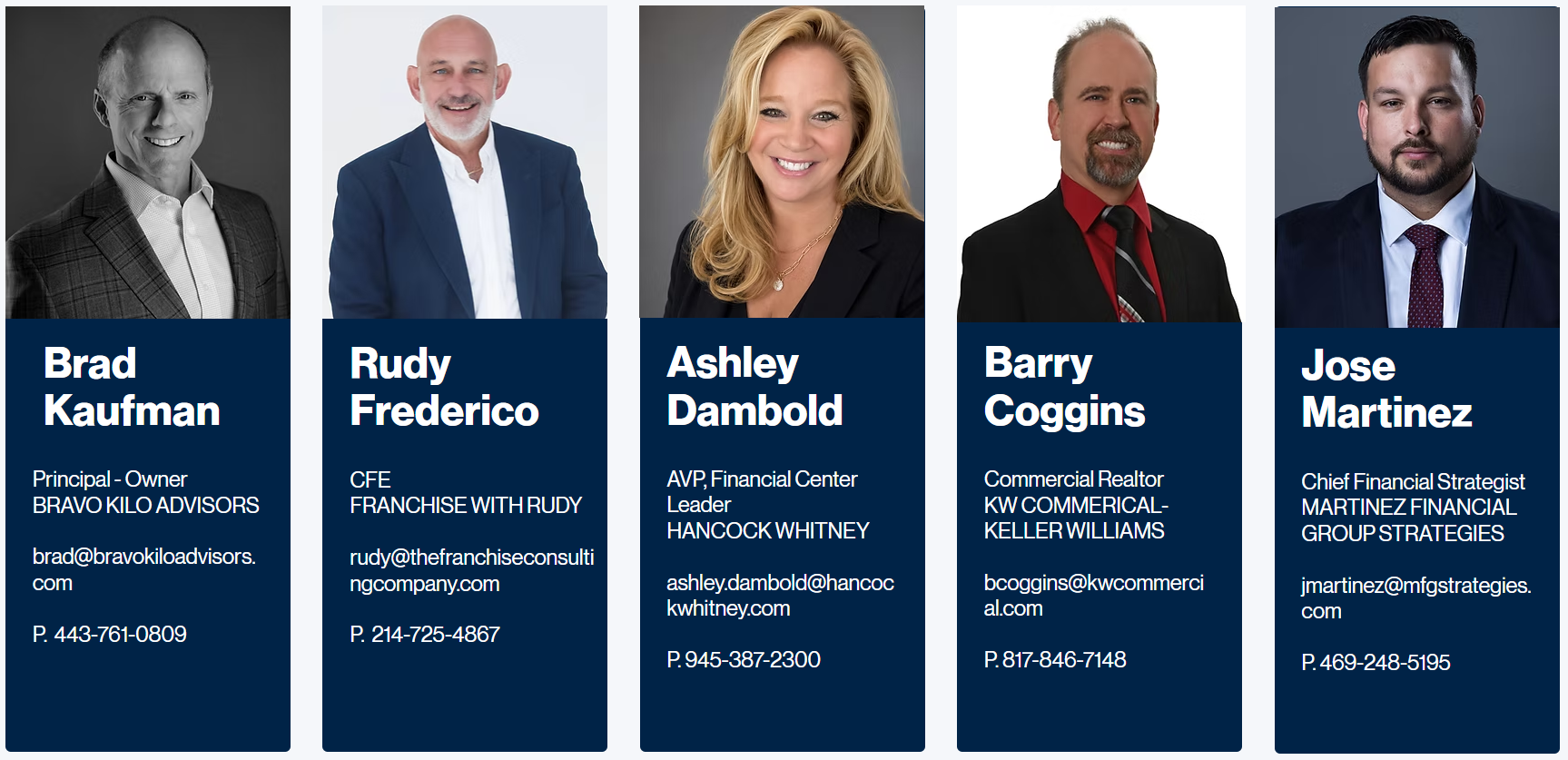
If you are thinking about starting, buying, expanding, or relocating a business, Barry Coggins can help connect you with professionals who work with business owners on financing, commercial real estate, planning, strategy, and other decisions that come with building or growing a business.


Not every business needs the same team—or needs everyone involved at the same time. Sometimes the first step is simply knowing who to call.


BusinessBlueprintSummits.com

Buy Commercial Real Estate

Start With the
Investment or Business Goal


Before we search, we define what the property needs to accomplish financially and operationally.


For an owner-user, that may mean occupancy cost, parking ratios, ingress and egress, zoning and permitted use, loading, power requirements, visibility, expansion capacity, or proximity to customers and employees.


For an investor, we may start with target cash flow, NOI (Net Operating Income), cap rate, occupancy, lease terms and rollover, tenant credit, operating expenses, deferred maintenance, and potential future capital expenditures. If financing is involved, lender requirements such as debt-service coverage may also affect which properties make sense.


Land introduces another set of questions: utilities, access, zoning, entitlement, drainage, infrastructure, development costs, and whether the intended use is actually feasible.


We use those priorities to build the search criteria and compare properties against the same business case.

Because an attractive building, a low price, or even a strong cap rate means very little if the property does not support the reason you are buying it.
Understand How
the Property Is Performing


For income-producing property, current revenue is only the starting point. We want to understand how the property is performing and how durable that performance may be.


That means reviewing the rent roll, occupancy, lease structure, lease rollover, tenant credit, operating expenses, NOI, reimbursements, and recent property performance. We also look at whether current rents appear supported by the market and whether vacancies, concessions, or unusual expenses are influencing the results.


Then we look ahead. Are major leases approaching expiration? Could tenant rollover create vacancy risk? Are operating costs trending higher? Is deferred maintenance masking future capital needs?


A property can produce strong income today and still carry risks that are not obvious in the headline numbers.

We want to understand what is driving the income and whether that performance appears sustainable.

Evaluate Whether the
Location Supports the Use


A strong location is not simply a busy road or a growing ZIP code. We want to understand whether the surrounding market supports the property's intended use.


Depending on the asset, we may look at trade-area demographics, daytime population, household income, employment growth, traffic counts, visibility, ingress and egress, nearby anchors, competition, and planned development. For industrial or distribution users, highway access, truck routes, labor availability, and proximity to suppliers or customers may matter more.


Then we put the data in context.


High traffic counts mean less if access is difficult. Strong population growth may not help if the customer profile is wrong. New development may create demand—or introduce new competition.


The goal is to understand who the property can realistically serve and whether the surrounding market strengthens the business case.

Identify What
Could Change the Deal


Some of the most expensive issues in commercial real estate are not obvious during a property tour. We help identify
what deserves deeper due diligence before contingencies expire and the buyer's leverage changes.


Depending on the property, that may include roof and HVAC condition, structural concerns, environmental issues, utility capacity, easements, access, zoning and permitted use, ADA considerations, tenant obligations, or lender requirements.


We also look at future implications. Can the property support expansion? Is the current use legally permitted? Could an easement, environmental concern, or major system replacement materially change the economics?


When specialized expertise is needed, we help bring in the appropriate inspector, engineer, environmental consultant, attorney, lender, contractor, or other professional while there is still time to act on the information.


The goal is not to eliminate every risk. It is to understand which risks you are accepting and whether they change the decision.

Sell Commercial Real Estate

Understand What Is
Driving the Property's Value


Commercial value is rarely tied to one factor. Before pricing or positioning the property, we want to understand what buyers are actually paying for.


Depending on the asset, that may include NOI, cap rate, occupancy, lease terms and rollover, tenant credit, location, land value, improvements, zoning, current use, redevelopment potential, and surrounding market activity.


We also compare the property with relevant sales and active competition to understand how buyers are likely to view it in the current market.


A well-located asset with strong income may command a very different response from a similar property with weak leases, significant vacancies, or substantial capital needs.


The goal is to identify what supports the property's value, what may create resistance, and what should drive the pricing strategy.

Prepare for the
Questions Buyers Will Ask


Commercial buyers often begin underwriting a property before they ever make an offer. We help anticipate what they are likely to scrutinize and where they may see risk.


That may include lease expirations, tenant stability, rent levels, operating statements, reimbursement structures, maintenance history, recent capital improvements, vacancies, and upcoming capital needs.


We help organize the available information so the property enters the market with a clear financial and operational story.


If something is likely to surface during due diligence, identifying it early gives the seller more time to clarify it, document it, address it, or decide how it should influence the asking price.


The goal is to reduce avoidable surprises and keep the seller from having to explain the property from a weaker negotiating position later.

Identify the

Most Likely Buyer


The same commercial property can appeal to different buyers for very different reasons.


An investor may focus on NOI, cap rate, tenant credit, occupancy, and future cash flow. An owner-user may care more about functionality, access, parking, zoning, expansion potential, and conversion costs. A developer may be evaluating land value, density, entitlement, utilities, or redevelopment potential.


We consider which buyer profile is most likely to recognize the property's strongest attributes.


That influences how we present the opportunity, which features deserve emphasis, and which financial or operational information should be front and center.


The goal is to market the property around the value the most likely buyer is actually trying to find.

Protect the Deal
After an Offer Is Made


An accepted offer begins the next phase of a commercial sale.


Due diligence, financing, appraisal, title review, inspections, lease analysis, and property documentation can introduce new questions and sometimes new negotiations.


We help track critical dates, coordinate the flow of information, and keep communication moving among the buyer, seller, title company, lender, attorneys, inspectors, and other professionals involved.


Depending on the property, that may include coordinating items such as rent rolls, leases, estoppels, operating statements, surveys, environmental reports, and other requested materials.


When an issue surfaces, we help determine what needs attention and bring in the appropriate expertise when necessary.


The goal is to maintain momentum and help the seller reach closing without losing control of the transaction between contract and funding.

Lease Commercial Real Estate

Start With What the
Space and Lease Need to Accomplish


A commercial lease has to work for both the business occupying the space and the owner carrying the property.


For tenants, we help define operational requirements such as permitted use, location, parking ratios, access, signage, loading, utility capacity, layout, tenant improvements, occupancy timing, and growth needs.


For landlords, the focus may include tenant creditworthiness, intended use, lease term, rent structure, expense recovery, guaranties, and how the proposed tenant fits the property's existing mix and long-term plan.


Establishing those priorities early gives both sides a clearer framework for evaluating the opportunity.


The goal is to determine whether the space, tenant, and proposed relationship are fundamentally compatible before detailed negotiations begin.

Understand the Real
Economics of the Lease


The quoted rental rate is only one part of the financial picture.


For tenants, the true occupancy cost may include base rent, NNN or operating expense pass-throughs, taxes, insurance, CAM, utilities, maintenance obligations, tenant improvements, and scheduled rent escalations. Free rent and improvement allowances can also affect the effective cost over the lease term.


For landlords, those terms influence net rental income, expense recovery, concessions, cash flow, and the overall economics of the tenancy.


A higher face rent may be less attractive if significant concessions or unrecovered expenses offset it.


We help evaluate what the lease costs the tenant and what it actually produces for the landlord—not just the quoted rate per square foot.

Think Beyond
the Initial Lease Term


A commercial lease should still make sense after the tenant moves in.


For tenants, that may mean considering renewal options, expansion or contraction rights, assignment and subletting, termination provisions, improvement obligations, and future rent escalations.


For landlords, the longer view may involve rollover timing, renewal structure, guaranties, tenant obligations, and how the lease could affect future refinancing, saleability, or property value.


These decisions can have consequences years after the original lease is signed.


We help both sides think through those future scenarios before flexibility becomes more expensive—or disappears entirely.

Negotiate With
the Bigger Picture in Mind


Commercial negotiations involve much more than agreeing on rent. We help evaluate how the major business terms work together and where one concession may affect another.


For tenants, that can mean comparing lease term, escalations, tenant improvement allowances, free rent, expense responsibilities, renewal rights, signage, exclusivity, parking, and timing across competing spaces.


For landlords, we help weigh tenant credit, proposed use, concessions, guaranties, improvement costs, lease structure, and the effect of the terms on cash flow and long-term ownership goals.


We assist with proposals, letters of intent, negotiations, showings, and communication throughout the process. When lease language requires legal interpretation or drafting, we encourage attorney review.


The goal is to negotiate the economics, flexibility, and obligations as a whole—not win one term while giving away too much somewhere else.