
North Texas
New Construction Homes
Before You Buy New, Know What to Ask
New construction can look straightforward. Everything is new, the model home is polished, and the builder may be offering incentives that make the purchase feel especially attractive.
But buying new comes with its own set of decisions.
What will the property really cost once taxes and assessments are considered? Is the lot worth the premium? What is planned around the community? Which upgrades make sense to do now? Could the builder’s financing incentive actually cost more over time? And if you sell in a few years, will you be competing with brand-new inventory in the same neighborhood?
At Cindy Coggins Realty Group, we help buyers look beyond the model home and understand the property, the market around it, and the terms attached to the purchase.
Because new does not automatically mean simple.
The Property. The Position. The Terms.
1. The Property
With new construction, the lot can matter as much as the house.
We look at drainage, easements, street position, utility infrastructure, nearby land, future phases, planned roads, schools, commercial development, and other uses that could affect the property later.
A green field behind the home may feel like permanent open space. But is it protected—or simply undeveloped?
Lot premiums deserve the same scrutiny. If you are paying more for a cul-de-sac, larger yard, greenbelt, water view, or no immediate rear neighbor, it is worth understanding exactly what you are paying for and whether that feature is likely to remain.
We also pay attention to costs tied to the property itself. Some North Texas communities may have MUD taxes, PID assessments, PUD-related costs, or other district obligations that affect the long-term cost of ownership.
You can change finishes later.
You cannot change where the house sits.
2. The Position
A new home should be compared with the choices around it.
A completed inventory home may offer better value than building from the ground up. A nearby resale home may already include landscaping, window coverings, appliances, and upgrades. Another builder may offer a similar floor plan with more standard features or on a stronger lot.
The stage of the community matters too.
If several phases remain, construction may continue for years. If you need to sell before the neighborhood is built out, you may be competing with brand-new homes, builder warranties, and financing incentives.
We help buyers understand how the property is positioned beyond the builder’s price sheet.
3. The Terms
Builder deals can be more complicated than the headline incentive suggests.
A large closing-cost credit may require use of a preferred lender. A low advertised rate may involve a temporary buydown, discount points, or other costs. A lower base price can rise quickly once lot premiums, structural choices, and upgrades are added.
Property taxes can also be misleading early on. The current tax history may reflect vacant land or incomplete construction rather than the finished home.
And if the property has a PID assessment or another district-related obligation, there may be questions about how it is paid, whether it can be paid off, and whether there is room to address it as part of the transaction.
The best negotiation is not always a lower sales price.
Sometimes the better opportunity is found in the terms around the purchase.
Experience Helps You
Recognize What Is Easy to Miss
Most buyers do not purchase enough new construction homes to know what is typical, what is unusual, or what they may not know to ask.
Experience helps create that context.
It may mean noticing that an easement limits how much of the yard is truly usable, questioning why a particular inventory home has been sitting, checking whether future phases could change the street behind you, or recognizing that a construction delay could affect your mortgage rate lock.
It can also mean looking beyond closing day. Are there HOA restrictions that could interfere with the pool or outdoor space you plan to add later? What warranty deadlines should be on your calendar? Could you eventually be trying to sell while the builder is still offering brand-new homes and financing incentives nearby?
None of those details necessarily makes a home a bad choice.
But they can change the decision.
Experience helps you recognize which questions are worth asking before they become expensive answers.
What Help With New
Construction Real Estate Looks Like
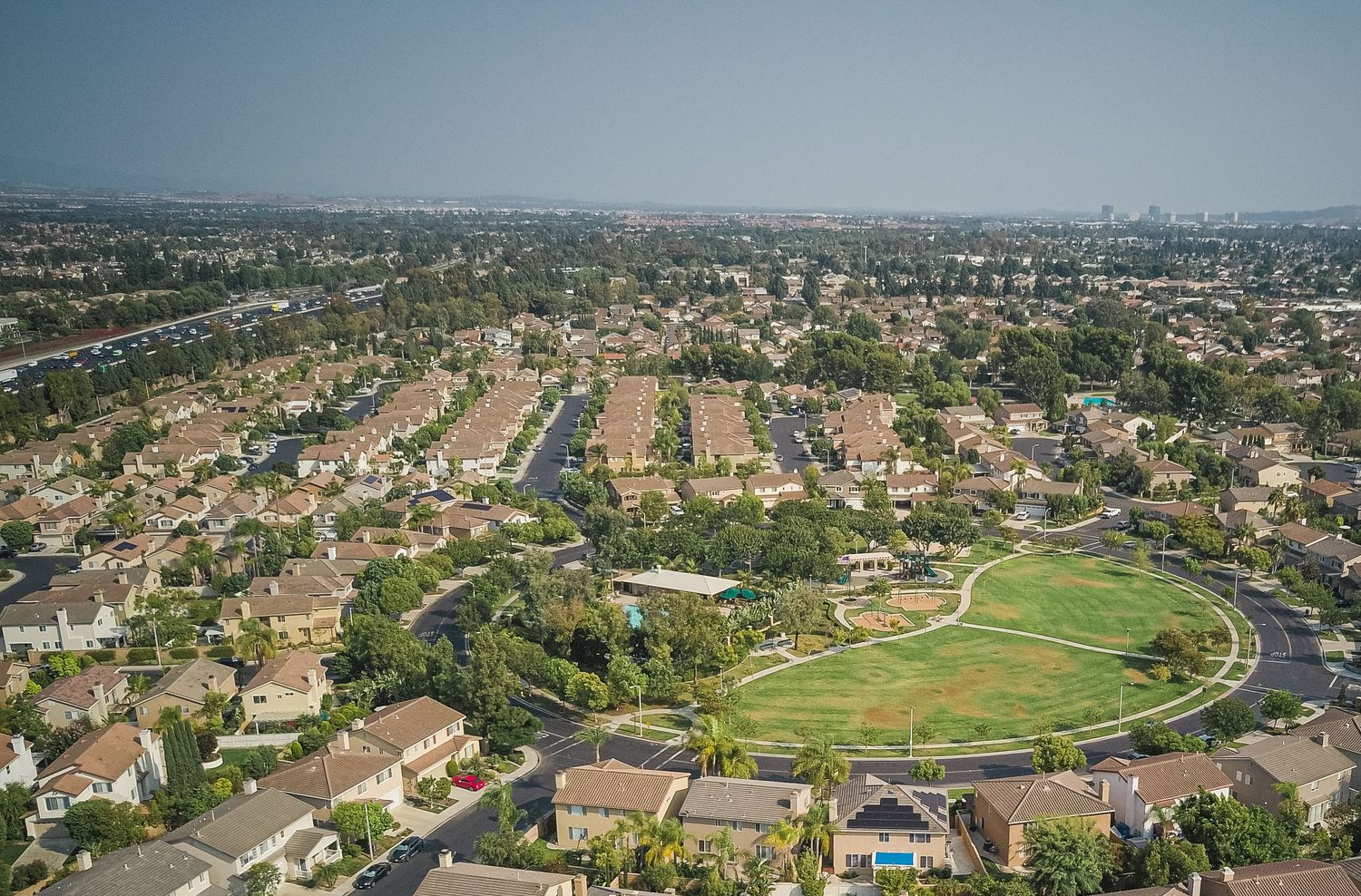
Buy a New Construction Home
Builder registration policies vary, and some builders require an agent to be identified early in the process. That is why we encourage buyers to contact us before the first visit rather than after they have already registered or selected a home.
Before you walk in, we can help research the community, available inventory, future phases, nearby development, and how the builder’s homes compare with other options in the area. That gives you a better set of questions from the beginning.
Once you are there, we help you separate the model-home presentation from the actual purchase. What is standard? What is upgraded? What is still negotiable? And is this particular home, lot, and community truly the best fit—or simply the one that made the strongest first impression?
The value is not simply having an agent beside you in the sales office.
It is having someone help you evaluate the opportunity before you become emotionally committed to it.
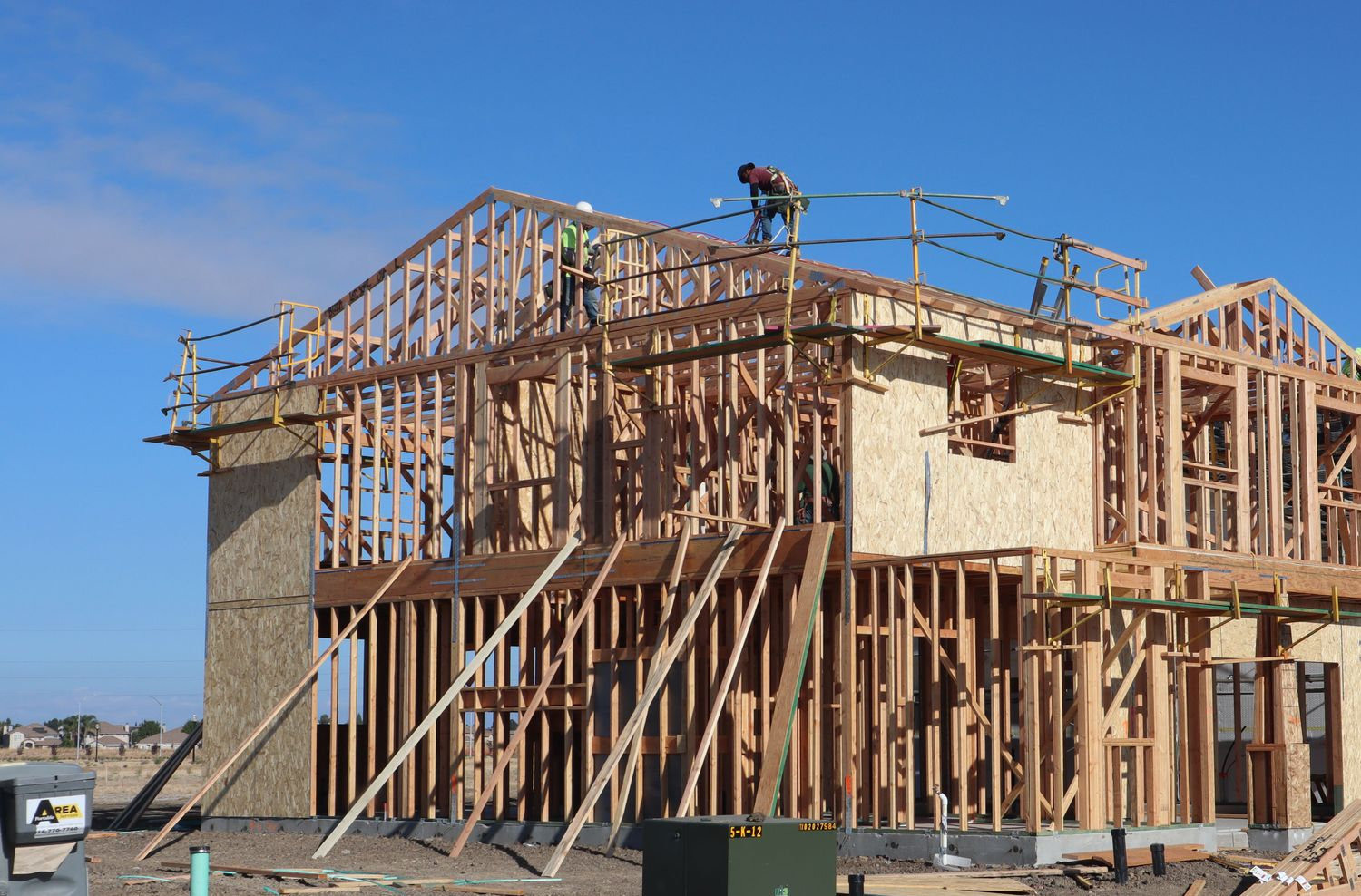
Build From the Ground Up
We encourage buyers to stay involved throughout construction and, when permitted, visit the home at key stages so they can see how the property is progressing before everything is covered by drywall and finishes.
Independent inspections can also be valuable. Depending on the builder and stage of construction, that may include a pre-drywall inspection, a final inspection before closing, or another inspection before an important warranty deadline.
We help buyers keep track of construction milestones, inspection opportunities, walkthroughs, and items that need to be documented or addressed before closing.
And our involvement does not have to end when you receive the keys.
Builder warranties often have specific timeframes and procedures, so we remind buyers to keep warranty information accessible, document concerns as they appear, and pay attention to deadlines that may come up during the first year of ownership.

Understand Where There May Be Leverage
Builders often negotiate differently from individual sellers because they are managing an entire community, not just one home.
A builder may be reluctant to reduce the recorded sales price if that could affect future sales or appraisals in the neighborhood. But there may be more flexibility elsewhere—particularly on completed inventory the builder is carrying, homes approaching a reporting deadline, or properties with a lot, elevation, or floor plan that has been harder to move.
Could the builder contribute more toward closing costs? Improve the financing incentive? Reduce a lot premium? Include appliances, blinds, or upgrades? Address a PID balance or another cost tied to the property?
Sometimes the strongest negotiation is not the most obvious one.
The value of experience is knowing where the builder may have a reason to say yes—and which requests are unlikely to move the needle.
When Your New Build Depends on the Home You Already Own
When Your Current Home
Is Part of the New Build Plan
A new build becomes more complicated when your down payment, financing, or timing depends on selling another home. In some cases, that may mean exploring a contingent offer tied to the sale of your current property. Listing too early could leave you needing temporary housing, while waiting too long could create financing pressure or leave you carrying two properties.
We help clients think through the sequence early—when to list, whether a contingent strategy is realistic, how much flexibility the builder’s timeline allows, and what backup plan makes sense if construction is delayed.
The goal is to make the sale and the new build work as one coordinated move.




 Mr. Website Designer