
North Texas
Condominium Real Estate
The Unit Is Only Part of What Changes Hands
With a condominium, ownership doesn’t always stop at the front door.
A buyer may own the individual unit while sharing responsibility for other parts of the property through the association. That can affect maintenance, access, insurance, repairs, and what can or cannot be changed.
For buyers, the question is: What am I responsible for once I own this unit?
For sellers, it is: What will the next buyer need to understand before they feel comfortable moving forward?
With a condominium, knowing where individual ownership ends and shared responsibility begins can change how you view the entire property.
Three Things Worth
Understanding Early
1. What Does the Monthly Fee Actually Buy?
Condominium dues can look expensive or inexpensive until you understand what is included.
Buyers should compare what the fee covers rather than comparing the number alone. Sellers should be prepared to explain the services, maintenance, utilities, or amenities owners receive in return.
2. Will the Rules Work for the Next Owner?
Restrictions involving pets, parking, leasing, renovations, occupancy, or use of common areas can materially affect who a condominium works for.
For buyers, that means making sure the community fits their intended use. For sellers, those same rules can influence which buyers are realistically suited to the property.
3. Can the Project Affect Financing?
With condominium financing, the lender may evaluate more than the borrower and individual unit. Characteristics of the condominium project itself can sometimes affect available financing.
That matters to buyers trying to complete the purchase—and to sellers evaluating how large the qualified buyer pool may actually be.
Condo Transactions Have Another Layer
A typical home sale already involves lenders, title, inspections, insurance, and deadlines. A condominium can add an association or management company to that process.
Our agents help buyers and sellers recognize when information needs to come from that additional source, what still needs attention, and when another professional should be involved.
We are not there to answer questions that belong to an attorney, lender, insurer, inspector, or association.
We are there to recognize when the answer matters enough to go get it.
Good representation includes knowing when not to guess.
How We Help With
Condominium Real Estate

Buy a Condominium
Condominium values can form their own micro-market. Two units in the same building may differ because of floor level, views, location within the property, upgrades, condition, or recent activity inside the community.
We help buyers understand what a specific unit is really competing against before deciding what it may be worth to them.

Sell a Condominium
Your strongest competition may be another unit in the same community.
We help sellers identify what genuinely distinguishes their property and position those differences clearly so buyers have a reason to choose one unit over another that may initially look very similar.
Lease a Condominium
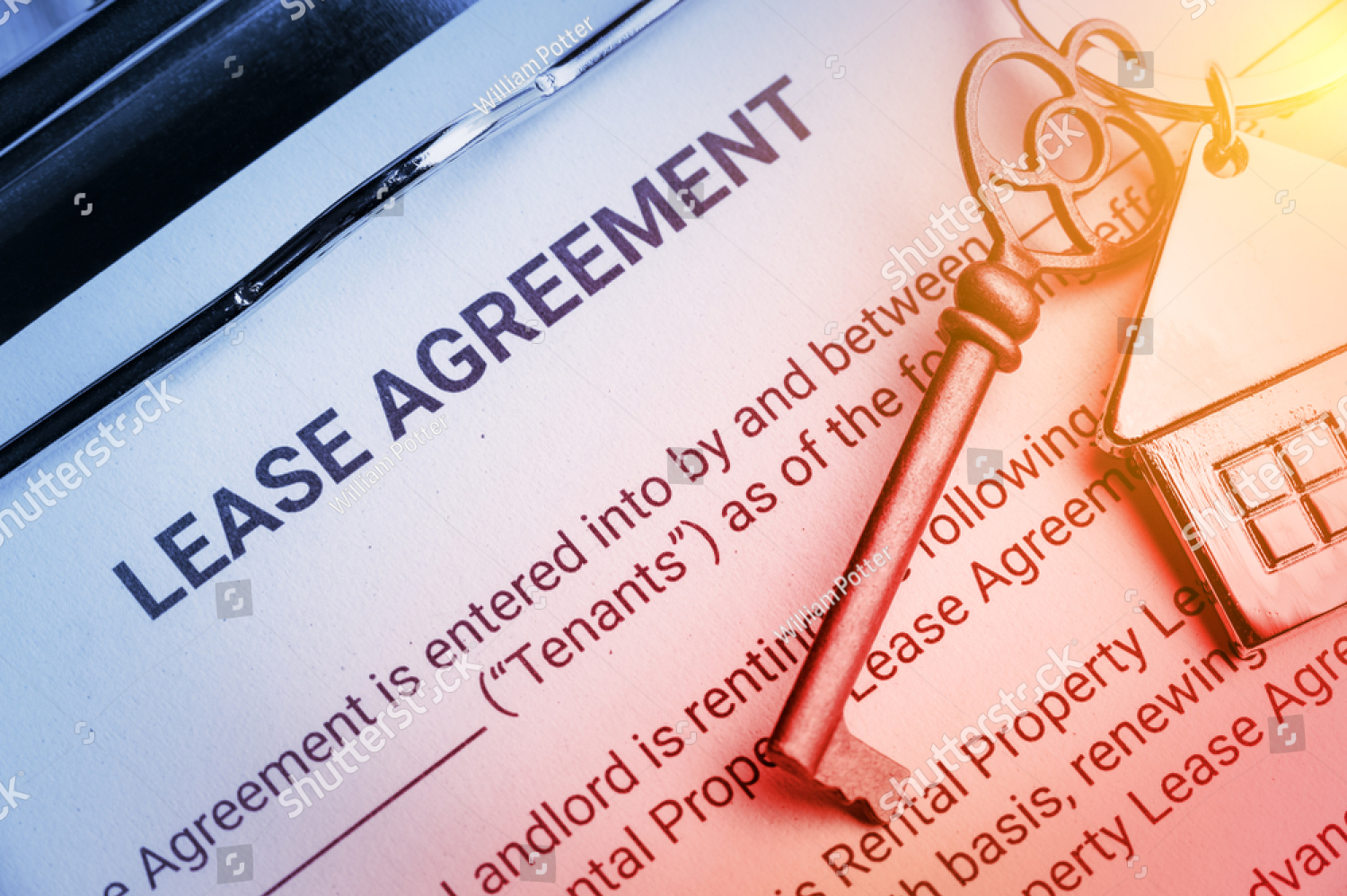
A condominium lease may involve three parties instead of two: owner, tenant, and association.
We help owners and tenants keep the lease and community process aligned so applications, approvals, deposits, scheduling, and move-in requirements do not become last-minute obstacles.
TODAY’S CHOICE. TOMORROW’S MARKET.
Think About the Next Buyer, Too
A condominium may fit you perfectly today—but eventually, someone else may have to want it too.
For buyers, it is worth considering more than whether the unit works for your life right now. Features that make a condo unusually appealing—or unusually difficult to compare—can influence how easily future buyers understand its value.
For sellers, that future buyer is no longer hypothetical. The same things that influenced your decision when you purchased may now shape how today’s buyers respond.
Our agents encourage clients to think about both sides of that timeline.
Because with real estate, today’s buying decision eventually becomes tomorrow’s selling decision.




 Mr. Website Designer