
North Texas
Manufactured Home Real Estate
The House and the Land May Be Two Different Conversations
With a manufactured home, one of the first questions should be surprisingly simple:
What exactly is included in this transaction?
The home may sit on land owned by the homeowner, leased land, or within a manufactured home community. That distinction can affect financing, monthly costs, responsibilities, and eventually resale.
For buyers, it means understanding the entire ownership arrangement—not simply whether you like the house.
For sellers, it means making that arrangement clear from the beginning so buyers understand what is actually being offered.
Before talking about whether the price makes sense, make sure everyone understands what the price includes.
Before You Buy or Sell,
Check These Three Things
1. How Is the Home Tied to the Land?
Is the home legally part of the real estate, or still recorded separately as personal property? Do the ownership records match the landowner? Is there an old lien, previous move, or documentation issue that could affect the transaction?
Buyers should understand that structure early, and sellers should verify it before listing so there is time to address questions before they become closing problems.
Just because the home sits on the land doesn’t mean the paperwork treats them as one property.
2. Will the Financing Fit This Property?
A buyer can be well qualified and still discover that a particular manufactured home does not fit the loan program they expected to use.
The age of the home, its installation, land ownership, property classification, and other property-specific details can influence available financing.
For sellers, that matters too. The easier a property is to finance, the larger the potential buyer pool may be.
3. Can It Be Moved—and What Happens If It Is?
Once a manufactured home has been moved from a previous installation site, some common financing programs may no longer consider it eligible.
Insurance options may also depend on the home’s age, condition, installation, and the individual carrier’s requirements.
For buyers and sellers, the better question isn’t simply “Can it be moved?” It’s “What financing and insurance options will still be available afterward?”
Experience Matters When
the Property Doesn't Fit a Standard Box
Manufactured homes don’t always fit neatly into the same process as a traditional site-built home. That means the agent shouldn’t approach them exactly the same way either.
Our agents help sellers think through how the property should be positioned, which features deserve more attention, who the most likely buyers may be, and how to present the home so buyers understand what makes it different rather than simply comparing it to the house down the road.
For buyers, we help separate what is typical for manufactured housing from what deserves a closer look, so an unfamiliar detail doesn’t automatically become a red flag—or get dismissed when it actually matters.
Throughout the transaction, we help keep expectations realistic, questions moving to the right people, and decisions focused on what could actually affect the outcome.
Our value isn’t making every property fit the same process. It’s knowing when the process needs to fit the property.
How We Help With
Manufactured Home Real Estate
Buy a Manufactured Home
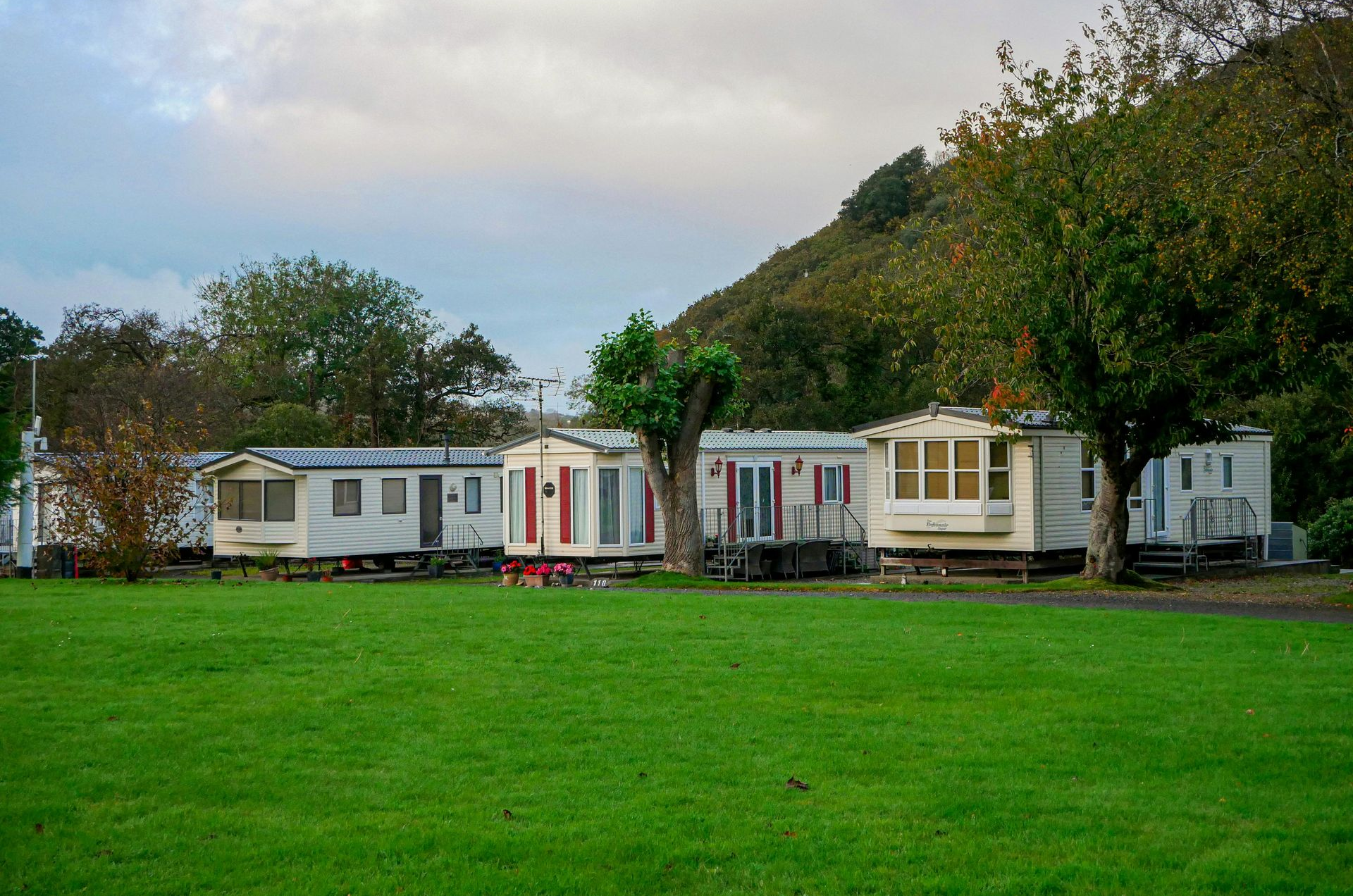
With a manufactured home, some of the most important questions are unique to the property type.
Is it on an acceptable permanent foundation? Are the HUD tags and Data Plate available? Have additions or structural changes been made? Has the home been moved from another site—and could any of those details affect financing or insurance?
We help buyers recognize which manufactured-home-specific questions deserve answers before they become surprises later in the transaction.

Sell a Manufactured Home
Before listing a manufactured home, it helps to know what a buyer, lender, appraiser, or inspector may ask for.
Foundation information, HUD identification, ownership records, additions, prior relocation, and other property-specific details can all become important once the home is under contract.
We help sellers identify those questions early and determine what information may be worth gathering before the first offer arrives.
Lease a Manufactured Home
A manufactured-home lease can include more than four walls and a yard.
Who maintains the acreage? Who is responsible for a well or septic issue? Are sheds, fencing, equipment, or other improvements included? What happens if something outside the home needs attention?
We help owners and tenants define those expectations before move-in so everyone knows where the property—and the responsibility—begins and ends.
THINK BEYOND THE HOME THAT IS THERE TODAY
What Happens If the
Home Ever Needs to Be Replaced?
A manufactured home may work perfectly for the property today—but will the site allow the same options years from now?
Deed restrictions, local requirements, community rules, and changes in land use can affect whether another manufactured home could be placed there in the future. The size, age, or type of replacement home may also matter depending on the property.
For buyers, that is worth understanding if you plan to own the property long term. For sellers, knowing what future options may exist can help answer an important question a cautious buyer may eventually ask:
“If this home is ever replaced, what will I still be allowed to put here?”
At Cindy Coggins Realty Group, we help buyers consider how well the property can serve them beyond today—and help sellers communicate the possibilities the property may offer its next owner.
Sometimes the value is not only in the home that is there now, but in what the property may allow later.





 Mr. Website Designer