
North Texas
Single-Family Real Estate
The Questions Should Change With the House
“Single-family home” covers a lot of ground. A 30-year-old home, new construction, acreage property, pool home, and recently renovated house can each come with a very different set of questions.
What deserves attention should depend on the property in front of you—not a one-size-fits-all checklist.
For buyers, that means knowing what to investigate before making a commitment. For sellers, it means anticipating what buyers are likely to notice or question before the home ever hits the market.
At Cindy Coggins Realty Group, we adjust the conversation to the house—because the right questions for one property may be completely different from the right questions for another.
The Property. The Position. The Terms.
1. The House
The question isn’t simply whether the home looks good—it’s what the property may ask of the next owner. Age of major systems, quality of past improvements, maintenance history, functional layout, and signs of deferred care can all change how the home should be viewed.
For buyers, that helps separate cosmetic appeal from true condition. For sellers, it helps identify what may deserve attention before a buyer or inspector brings it up.
2. The Market
A home is competing with what buyers can choose right now, not just what sold months ago. Active listings, recent price reductions, seller concessions, days on market, new construction competition, and changing buyer behavior can all influence how a property is perceived.
For buyers, that can reveal where there may be opportunity. For sellers, it helps answer a more important question than “What is my home worth?”—“What does my home need to compete against today?”
3. The Deal
Two offers with the same price can produce very different outcomes. Financing strength, appraisal exposure, seller concessions, option periods, repair expectations, closing timing, possession, contingencies, and what conveys with the property can all shift the risk and value of the agreement.
Our job is to help clients look beyond the headline number and understand what the deal is really asking them to give, accept, or risk.
Experience Helps You
Recognize What’s Unusual
Most buyers and sellers only go through a handful of real estate transactions in their lifetime. Our agents see homes, contracts, inspections, repairs, negotiations, and unexpected issues far more often.
That repetition creates perspective.
Is something typical for a home of this age—or unusual? Is a repair fairly common, or does it deserve a closer look? Is a buyer’s request reasonable, or out of proportion to the issue? Is something worth addressing now, or are we giving it more weight than it deserves?
Our agents bring that context to single-family transactions so clients aren’t evaluating every new piece of information in a vacuum.
Experience doesn’t eliminate surprises. It helps you recognize which ones actually matter.
How We Help
With Single-Family Real Estate

Buy a Single-Family Home
The longer you search, the easier it is to start changing your standards just to be done.
We help buyers separate true priorities from temporary frustration, compare homes more objectively, and recognize when a compromise is reasonable—or when it may become something they regret later.

Sell a Single-Family Home
A listing starts giving you information almost immediately. Are buyers clicking but not showing? Showing but not offering? Returning for a second look but still hesitating?
We help sellers read those signals, understand what they may be telling us, and decide whether the right response is patience, presentation, pricing, or a change in strategy.
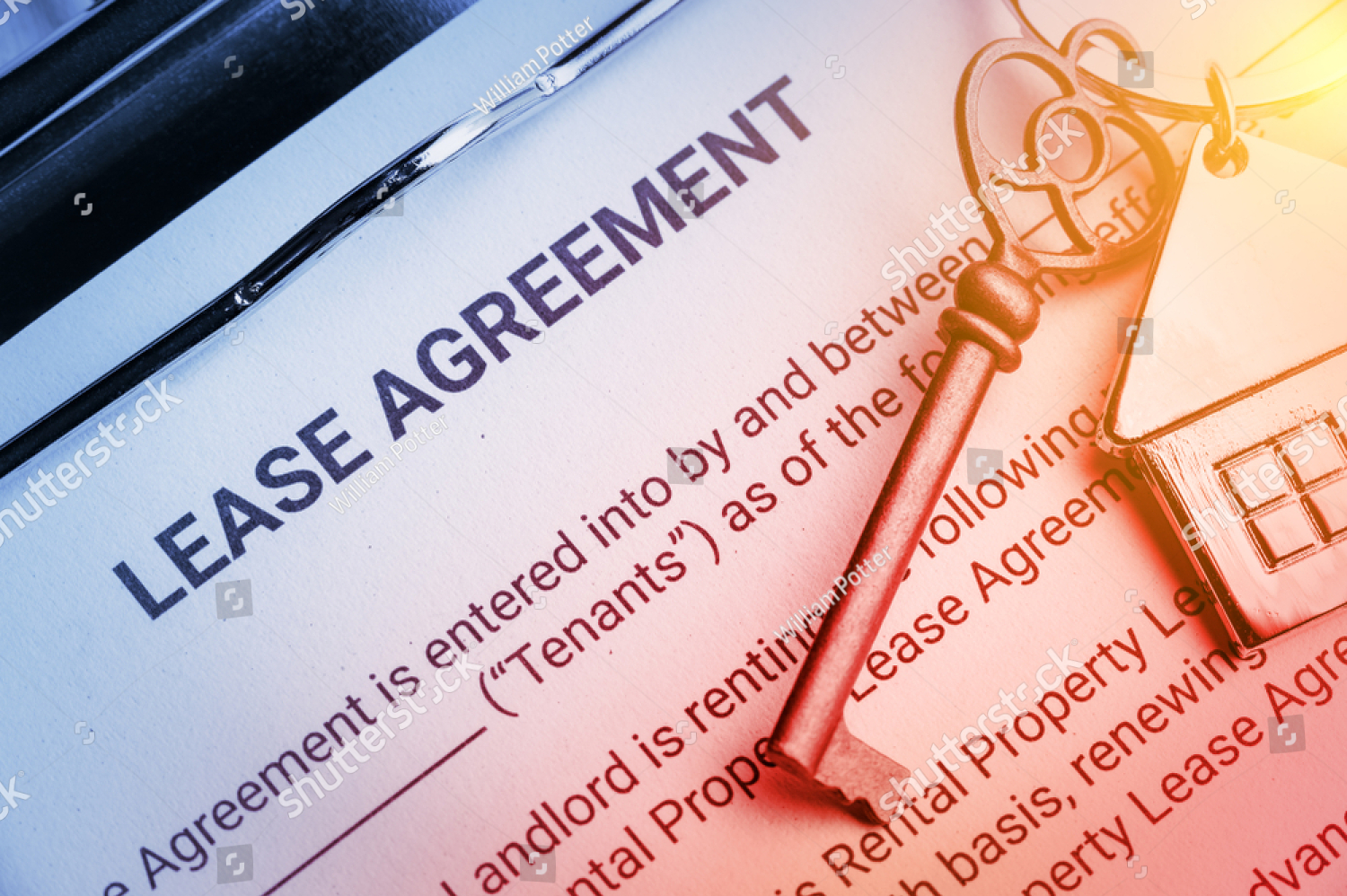
Lease a Single-Family Home
The lease is signed once. The property relationship continues for months or years.
We help owners and tenants get clearer about the details that matter after move-in—property condition, yard care, maintenance responsibilities, utilities, access, keys and remotes, and what should be documented before possession begins.
WHEN SELLING AND BUYING HAVE TO WORK TOGETHER
When Your Next
Home Depends on This One
For many homeowners, the next purchase depends on what happens with the home they already own. That turns two separate transactions into one connected strategy.
Do you need your equity before you can buy? What happens if your home sells before you find the next one? Can the closing dates realistically line up? Will you need temporary housing—or extra time in the home after closing?
Those decisions can affect which offers make sense, when you begin searching, and how much risk you’re comfortable taking on.
Our agents help clients map out the sequence before they are juggling two contracts, two timelines, and one moving truck.
The goal isn’t simply to buy and sell. It’s to make the two moves work together.





 Mr. Website Designer