
Keeping Your Home Safe and Secure When Vacationing
Practical Steps to Protect Your Property While You’re Away
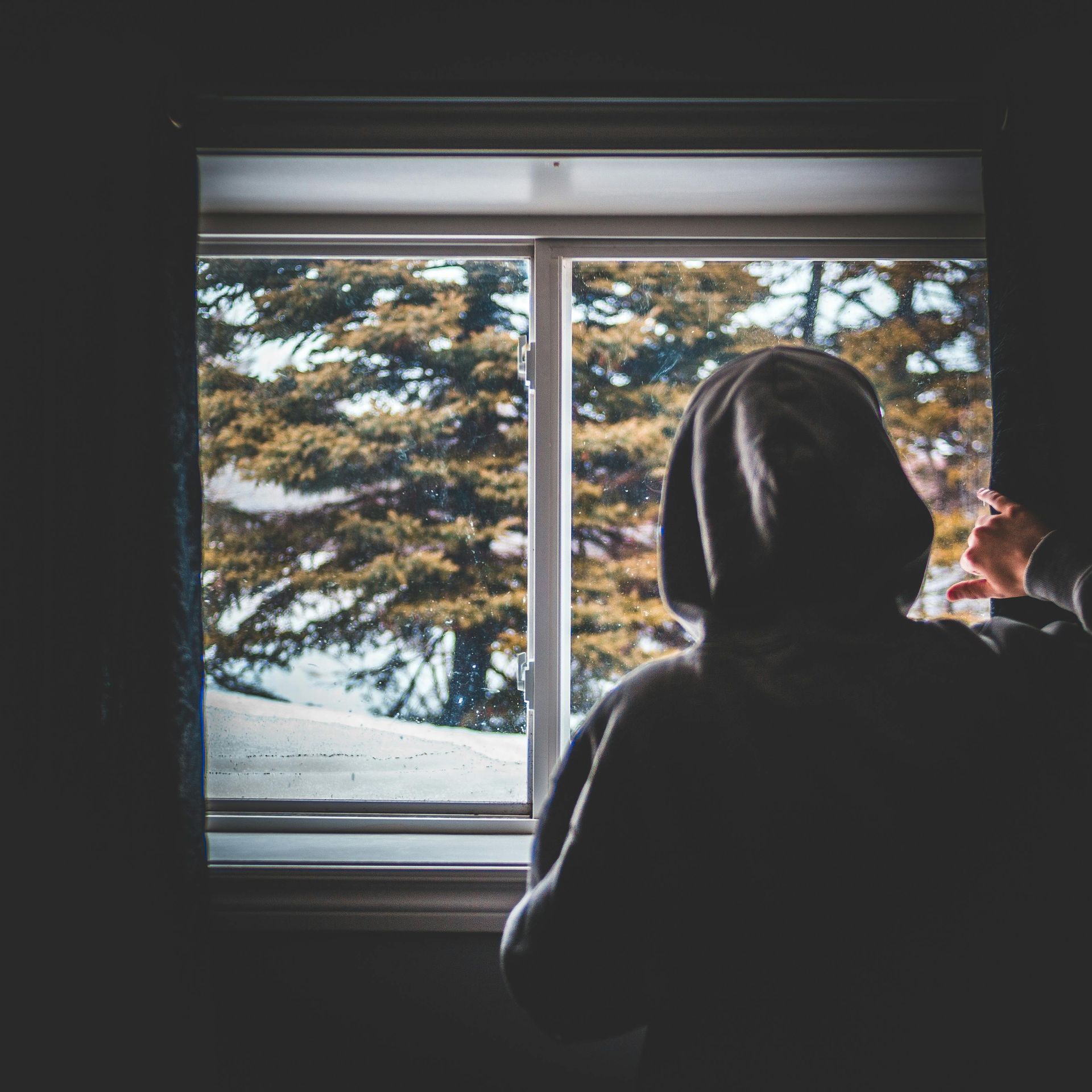
Vacation should feel like a break—not a source of lingering worry about what might be happening back home. Whether you are leaving for a long weekend or an extended trip, a few thoughtful precautions can help protect your property from theft, water damage, fire risks, weather-related issues, and the everyday signs that tell strangers a home is unattended.
The goal is simple: make the home look cared for, reduce preventable risks, and leave yourself fewer loose ends to worry about while you are away.
Start With Basic Home Security
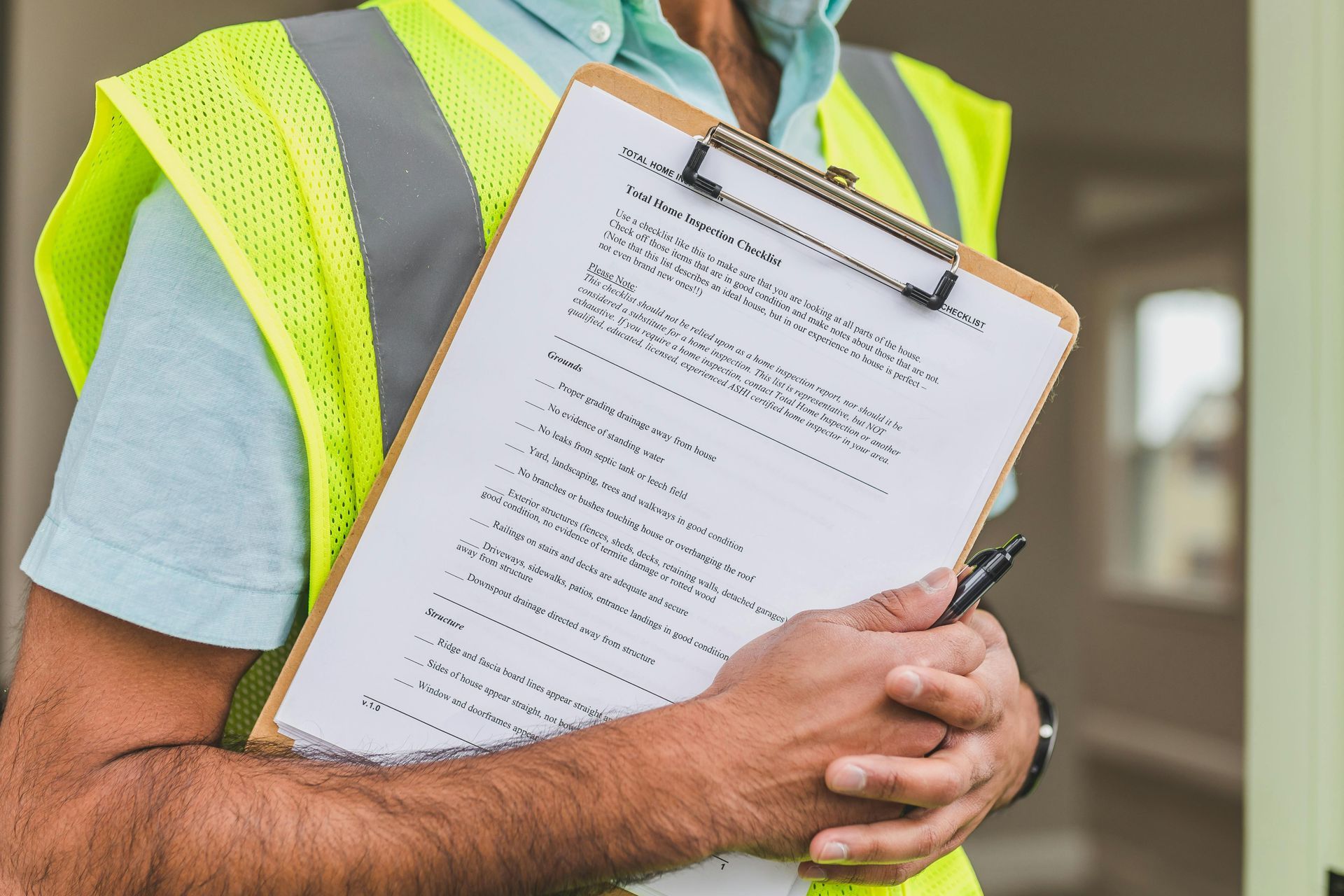
Before leaving, walk through the home as if you were checking it for someone else. Lock every exterior door and window, including secondary entrances, garage access doors, patio doors, and less-used windows. If you have smart locks, confirm batteries are functioning and access settings are current.
A monitored security system, doorbell camera, exterior cameras, and motion-activated lighting can add another layer of awareness. These tools do not replace basic precautions, but they can help homeowners monitor activity and respond more quickly if something seems off.
It is also worth checking the garage. Make sure the door closes fully, remove garage door remotes from vehicles left outside, and avoid leaving tools or ladders where they could help someone gain access.
Reduce Fire, Water, and Utility Risks
Some of the most costly problems during a vacation are not caused by crime at all. They come from leaks, appliance issues, or unnoticed system failures.
Before you leave:
- unplug unnecessary small appliances, chargers, and electronics;
- confirm smoke alarms and carbon monoxide detectors are working;
- clear anything flammable away from heat sources;
check that major appliances are not mid-cycle or left running unintentionally.
For longer trips, homeowners may also want to consider whether shutting off the main water supply makes sense for their home, particularly if no one will be checking the property. At a minimum, inspect under sinks, around toilets, the water heater area, and laundry connections before departing. A minor drip is much easier to handle before a trip than after days of unnoticed water damage.
Keep the Home From Looking Empty
A house that appears obviously unattended can draw the wrong kind of attention. Small details matter.
Pause mail and package deliveries when possible, or ask a trusted neighbor, friend, or family member to collect them promptly. Overflowing mailboxes, stacked boxes, and newspapers left outside can signal that no one is home.
If you will be gone for more than a few days, think about exterior upkeep as well.
Arrange for lawn care if needed, secure trash bins, and avoid leaving outdoor clutter in view. A tidy exterior helps the home appear occupied and also reduces the chance of loose items becoming hazards during a storm.
Be Careful With Social Media
It is tempting to share vacation photos in real time, but it is safer to post after you return. Publicly announcing that you are away—or tagging your location repeatedly while traveling—can unintentionally reveal that your home is likely unoccupied.
This is especially important if your social media profiles are public or if your posts can be seen beyond close friends and family. A beautiful trip can still be shared; it just does not need to be broadcast while your house is empty.
Enlist a Trusted Local Contact
One of the most useful precautions is having someone you trust keep an eye on the property. That could be a neighbor, relative, close friend, or house sitter.
Share only what they need to know: your travel dates, how to reach you in an emergency, and whether you expect any deliveries, service visits, or weather concerns.
For longer trips, it may help to ask them to:
- collect mail or packages;
- check for leaks or unusual odors;
- confirm the home’s temperature feels normal;
- inspect the exterior after storms;
- occasionally move a trash bin or vehicle if appropriate.
If your neighborhood has an active watch group or HOA security patrol, it may also be helpful to notify them that you will be away.
Plan for Weather Before You Go
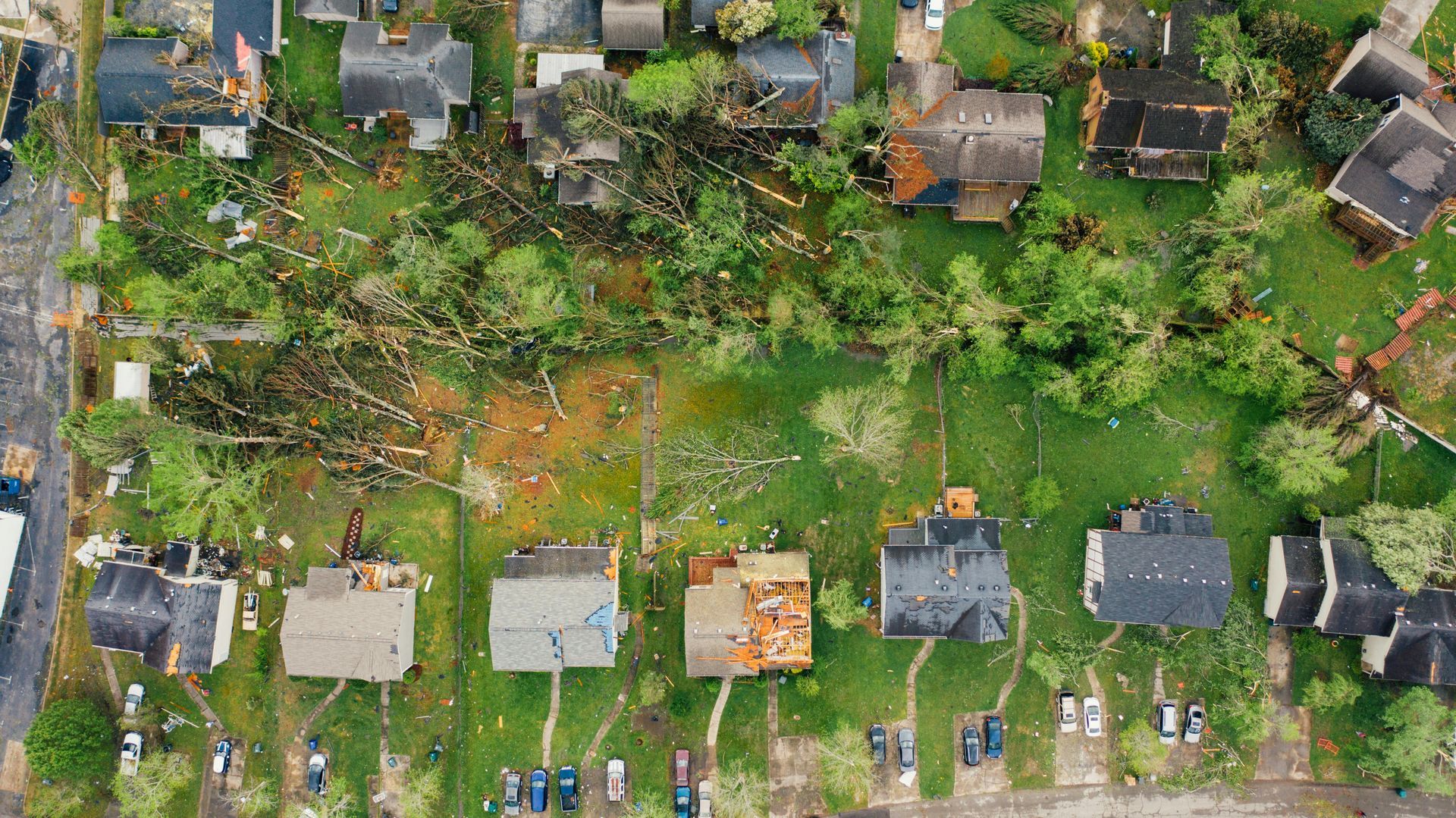
North Texas weather can change quickly, especially during storm season or winter cold snaps. Before traveling, check the forecast and prepare accordingly.
Secure patio furniture, umbrellas, grills, planters, and lightweight décor before thunderstorms or high winds. Clear gutters if heavy rain is expected. During colder months, consider freeze precautions if temperatures may drop while you are gone.
A home left unattended during severe weather can turn a manageable issue into a larger repair, so a quick forecast check before departure is worth the effort.
A Safer Home Makes for a
Better Vacation
Protecting your home while vacationing is not about expecting the worst. It is about reducing avoidable risks so you can enjoy your time away with greater peace of mind.
A secure home, working alarms, managed deliveries, trusted local support, and basic weather planning can go a long way toward preventing surprises while you are gone.
At Cindy Coggins Realty Group, we care about helping homeowners protect their properties long after closing. Whether you are a new homeowner or a long-time North Texan, we are happy to connect you with trusted local vendors and resources when professional help is needed.
📞 Call or Text: (469) 499-7452
📧 Email:
cindycoggins@kw.com
⭐ See why so many clients trust us—check out our 5-star reviews on Google.
Disclaimer:
This article is for general informational purposes only and is not intended as legal, insurance, security, electrical, plumbing, weather-preparedness, or home-safety advice. Every property and travel situation is different. Homeowners should evaluate their own risks and consult the appropriate professionals, including security providers, insurance agents, plumbers, electricians, HVAC professionals, municipal utility providers, or other qualified experts as needed. Information is deemed reliable but not guaranteed.
Frequently Asked Questions About Leaving Your Home While You Travel
Should homeowners make a home inventory before a longer trip?
It can be helpful, especially for valuable items. A quick video walkthrough of each room, along with photos of major belongings, can create a useful record if an insurance question ever comes up.
What should homeowners do about indoor plants while they are away?
Move sensitive plants away from direct sun, group them where practical, and arrange watering if the trip is long enough to require it. Avoid leaving towels, trays, or containers that could overflow or damage flooring.
Should homeowners change their Wi-Fi password before giving someone access to the house?
Usually not necessary for a short trip, but homeowners should avoid sharing passwords more broadly than needed. For smart-home devices, guest access or temporary codes may be a better option than giving someone full account access.
What should homeowners do with vehicles left at the house?
Remove garage remotes, valuables, registration papers, and spare keys from vehicles parked outside. For a longer trip, consider whether a trusted person should occasionally check the vehicle, especially if it will remain visible from the street.
How can homeowners avoid coming home to an unpleasant surprise from the refrigerator?
Throw away perishable food that may expire while you are gone, take out trash, and make sure refrigerator and freezer doors close fully. For longer trips, avoid overfilling the refrigerator and check that the ice maker or water dispenser is not leaking.
Should homeowners pause automatic deliveries or subscriptions?
Yes, when practical. Meal kits, groceries, prescriptions, floral deliveries, and recurring household shipments can pile up or create unnecessary attention at the home.
What should homeowners do with outdoor pools, hot tubs, or fountains?
Confirm the normal maintenance plan will continue while you are away. Water features can develop chemical, circulation, or equipment problems quickly if they are left unattended for an extended period.
How should homeowners prepare before leaving pets with a sitter?
Leave written care instructions, veterinary contact information, medication details, feeding routines, and emergency authorization. It also helps to show the sitter where supplies, carriers, leashes, and cleaning materials are located.
What is one final thing to do before pulling out of the driveway?
Walk through the home one last time with your luggage already loaded. It is easier to notice an open window, running faucet, forgotten appliance, unlocked storage area, or item left outside when the house is otherwise ready to leave.
Search Post
Recent Post





 Mr. Website Designer