
What Home Inspections Really Reveal About Texas Homes
What Home Inspections Typically Reveal in Texas
A home inspection is not about looking for perfection. It is about understanding the condition, age, safety, and performance of the major systems that make a home livable.
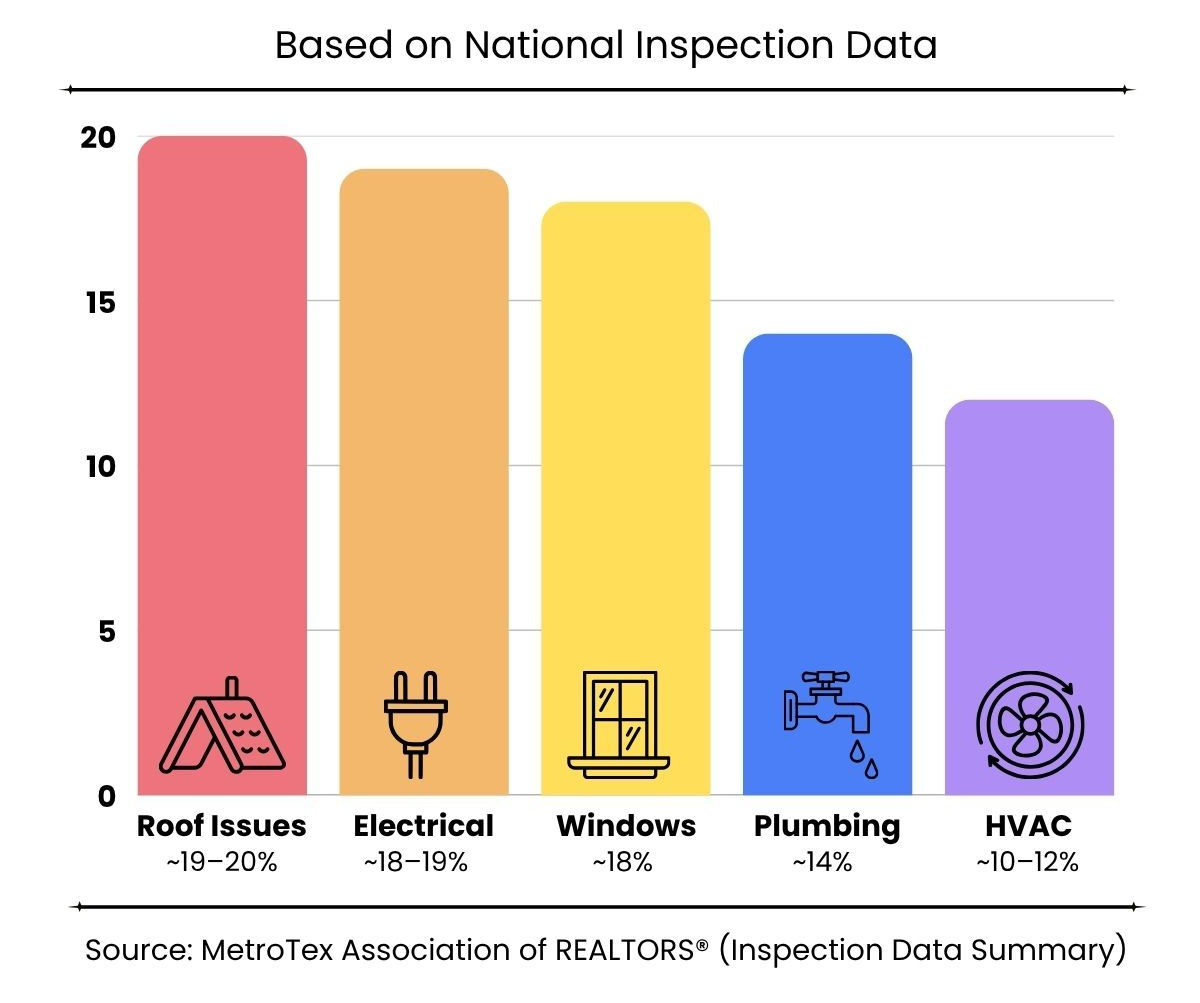
Across the country, inspection reports tend to identify concerns in the same core areas: roofing, electrical systems, windows, plumbing, and HVAC. That makes sense. These systems exist in nearly every home, they age over time, and they are constantly affected by use, maintenance, weather, and installation quality.
But in Texas, the meaning behind those findings can change.
The categories may be the same, but the environment is different. Hail, heat, expansive clay soil, heavy rain, drought cycles, and long cooling seasons all affect how a home performs over time.
That is why a Texas inspection report should not be read as a simple repair list. It should be read as a risk, cost, and decision-making tool.
Roof Inspections in Texas Homes
Roof issues are among the most common findings in inspection reports. In many parts of the country, roof condition is largely tied to age. A roof may be evaluated based on how many years it has been in place and how much visible wear has occurred.
In North Texas, age is only part of the story.
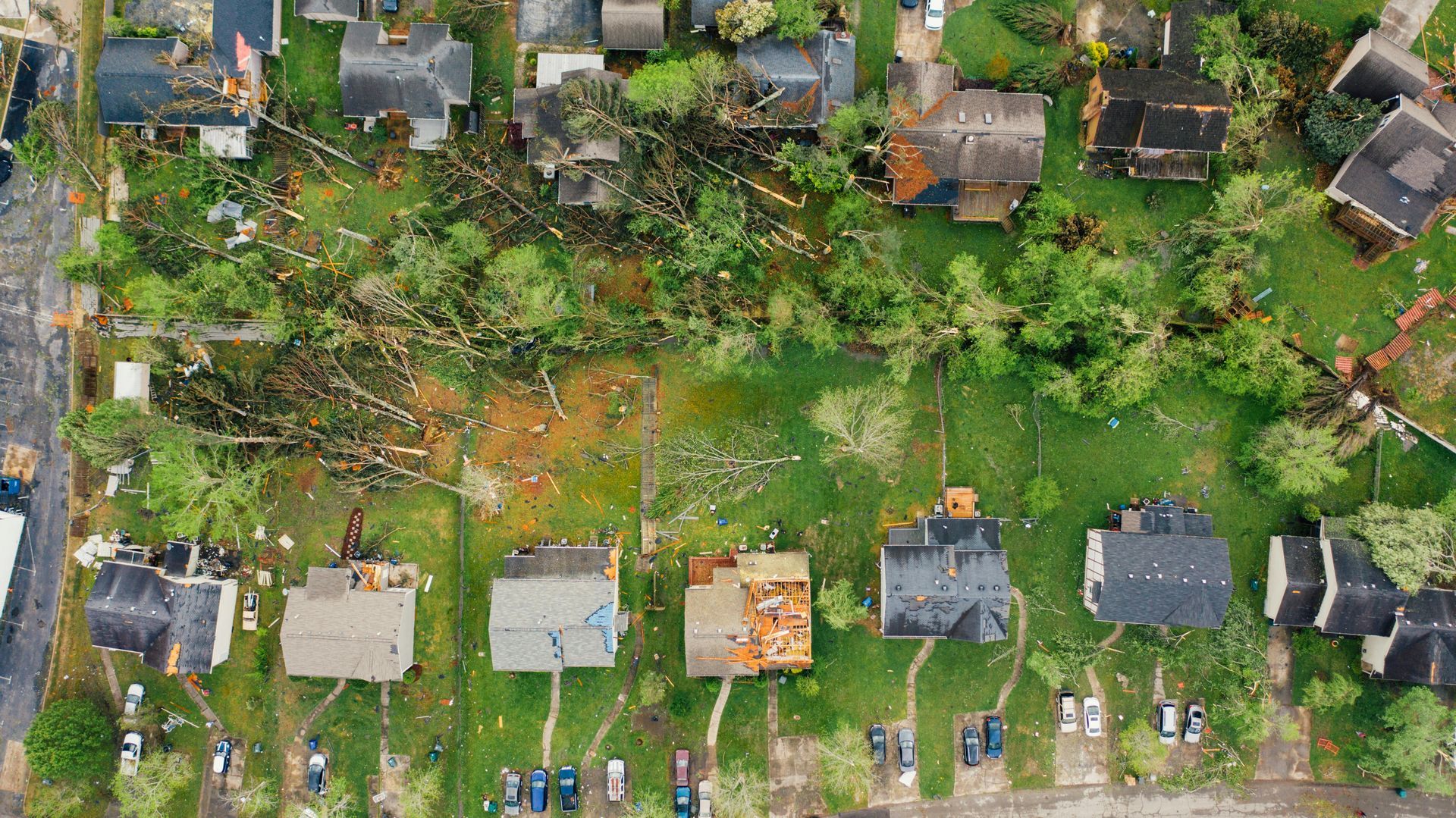
A 10-year-old roof in another state may show predictable aging. A 10-year-old roof in Texas may have already been exposed to hail, wind, extreme heat, and repeated storm activity.
That does not automatically mean the roof is damaged. It means it deserves careful evaluation.
What buyers should pay attention to includes the age of the roof, evidence of hail or wind damage, prior repairs or replacement history, insurance claim history when available, and whether the roof condition could affect insurance coverage, lender requirements, or future resale.
Roof condition in Texas is not just about how old the roof is. It is about what the roof has been through.
Electrical Systems: Common Issues Found in Texas Inspections
First is age and expansion. Texas has experienced rapid housing growth over the past several decades, especially in metro areas like DFW. Many homes have gone through additions, garage conversions, workshop builds, or remodels. That increases the chance of mixed-era wiring or panels that weren’t originally designed for today’s electrical load.
Second is climate-driven demand. Long, hot summers mean extended HVAC use, which puts sustained stress on electrical panels and circuits. Inspectors in Texas often pay closer attention to panel capacity and signs of overloading because cooling systems are running heavily for much of the year.
Third is storm-related repairs. After hail or wind events, it’s not uncommon to see quick electrical repairs for detached fixtures, damaged outdoor systems, or generator hookups. These aren’t necessarily problems, but they do raise the importance of verifying that work was done to code and permitted when required.
Finally, permitting and workmanship can vary widely by municipality. In fast-growing areas of Texas, electrical work done without permits or by unlicensed installers sometimes shows up during inspections, especially in older homes that have been updated multiple times.
So while electrical issues aren’t unique to Texas, inspectors here often focus more on system capacity, modification history, and installation quality because those factors tend to have a bigger impact on safety, insurance, and future upgrades.
Windows and Insulation: Energy Efficiency and Comfort Issues
Windows are often mentioned in inspection reports, and while they are not always treated with the same urgency as a roof or foundation issue, they still play an important role in overall home performance.
In Texas, heat gain and air loss can significantly affect comfort and energy efficiency. Even small inefficiencies can become noticeable over time due to long cooling seasons and extended HVAC use.
A failed window seal or visible fogging between panes may not be an emergency, and outdated or thinner insulation may not prevent a buyer from purchasing a home. However, over time, these conditions can affect how comfortable the home feels and how hard the HVAC system has to work to maintain temperature.
Windows also tie into broader home efficiency systems, including attic ventilation. While windows affect air exchange at the living level, attic ventilation controls heat and moisture buildup above the home. If both systems are inefficient, the HVAC system is forced to work harder from two directions—losing conditioned air through the living space while also fighting excess heat radiating from the attic.
What buyers should pay attention to includes failed window seals, fogging between glass panes, drafts or air leaks, insulation quality, hot or cold spots in different rooms, attic ventilation, and utility cost patterns when available.
Windows may not always require immediate repair, but along with attic airflow and other performance factors, they can have a real impact on monthly expenses and day-to-day livability.
Plumbing Issues Found in Texas Home Inspections
Plumbing issues show up frequently in inspections, and while some are simple repairs, others require deeper investigation to understand their full scope.
In colder climates, plumbing concerns often center around frozen or burst pipes. In Texas, however, issues are more commonly related to long-term wear, water quality, older fixtures, aging water heaters, sewer line condition, and potential slab-related leaks due to soil movement and foundation shifts.
A dripping faucet and a suspected slab leak are both plumbing issues, but they are not equal in terms of cost, urgency, or complexity.
What buyers should pay attention to includes active leaks, water heater age and condition, water pressure, drainage speed, sewer line concerns, signs of moisture or prior repair, and any mention of possible slab-related plumbing issues.
Plumbing findings should always be evaluated based on scope. The key question is whether the issue is a minor repair, a broader system concern, or something that requires a licensed specialist before moving forward.
HVAC Systems in Texas Homes: Performance and Lifespan
HVAC systems are evaluated in nearly every inspection, and in Texas they deserve close attention because they often operate for extended periods throughout the year.
In milder climates, an HVAC system may run seasonally. In North Texas, however, air conditioning systems typically carry a much heavier workload due to long, hot summers and sustained cooling demand.
That means buyers should look beyond whether the system simply turns on during the inspection.
What buyers should pay attention to includes the age of the system, service history, cooling performance, visible condition, ductwork concerns, maintenance records, and whether replacement should be anticipated in the near future.
With HVAC systems, the key question is not only, “Does it work today?” but also, “How much useful life may realistically be left?”
Foundation and Pest Issues in Texas Inspections
Foundation and pest issues are not part of the primary inspection categories in the data, but they are still very important components of a Texas home inspection and are included in this discussion for that reason.
In Texas, foundation concerns are relatively common due to expansive clay soil, seasonal drought, heavy rain cycles, and long-term ground movement. These conditions can lead to shifting, settling, or minor movement over time. Not every crack or uneven surface indicates a major structural issue, but certain patterns may warrant further evaluation by a specialist.
Pest findings can also vary in significance. Some reflect routine prevention or past activity, while others—such as termites or wood-destroying insects—can affect structural elements if not properly addressed. Texas climate conditions make ongoing pest management an important part of home ownership rather than a one-time concern.
What buyers should pay attention to includes visible cracks or uneven floors, doors or windows that do not align properly, signs of moisture near the foundation, evidence of pest activity or damage, and any inspector recommendation for further evaluation.
While not in the top five categories in the data, these items can still have a meaningful impact on safety, maintenance costs, and long-term ownership decisions, and should not be overlooked during the inspection process.
How to Read a Home Inspection Report
When reviewing an inspection report, focus on three questions.
First, is this a safety issue? Some findings may involve immediate safety concerns, such as electrical hazards, active leaks, structural movement, or systems that could pose a risk if left unaddressed.
Second, is this a major system or cost issue? This includes items like the roof, HVAC, plumbing, or foundation—components that are expensive to repair or replace and may impact insurance, financing, or long-term ownership costs.
Third, is this routine maintenance or cosmetic? Many items in an inspection report fall into this category. These are typically normal upkeep items that come with homeownership and are not unusual for homes of any age.
By sorting findings into these three categories, buyers can better understand the overall condition of a home and make more informed decisions without becoming overwhelmed by the length of the report.
Frequently Asked Questions About Home Inspections in Texas
How long does a typical home inspection take?
Most home inspections take about 2 to 4 hours depending on the size, age, and condition of the property. Larger or older homes may take longer due to additional systems or areas that require closer evaluation.
Do buyers have to be present during a home inspection?
No, buyers are not required to attend, but many choose to. Being present can help buyers better understand the inspector’s observations and ask questions directly during the process.
Can a home fail an inspection?
No. A home inspection is not a pass or fail process. It is an evaluation of the home’s condition at the time of inspection. The report is used to help buyers make informed decisions.
How much does a home inspection typically cost in Texas?
Costs vary depending on the size, age, and location of the home, but most inspections fall within a few hundred dollars. Additional specialty inspections may add to the overall cost.
Are new construction homes still inspected?
Yes. New construction homes can still have defects, incomplete work, or installation issues. Many buyers choose to have an independent inspection before closing even on newly built homes.
What is a re-inspection?
A re-inspection is a follow-up visit where the inspector verifies whether requested repairs were completed after the initial inspection. It is commonly used during real estate transactions.
When should a home inspection be scheduled?
A home inspection is typically scheduled during the option period or due diligence period after an offer is accepted. This allows time to review results and negotiate if needed.
Do home inspectors check for storm or hail damage?
Inspectors may note visible signs of storm-related damage, but they do not determine insurance coverage or confirm hail or wind claims. If concerns arise, a roofing or insurance specialist may be needed for further evaluation.
Experience That Looks
Beyond the Surface
Understanding an inspection report is one thing. Knowing what to do with it is another.
At Cindy Coggins Realty Group, we help buyers look beyond the surface. During showings, we are not just walking through homes and pointing out pretty finishes. We are paying attention to the details that may matter later—roof age, drainage patterns, HVAC condition, foundation clues, maintenance history, insurance questions, and items that may deserve a closer look during the option period.
We also help clients ask better questions early, including whether repair records, insurance documentation, or a CLUE report may provide additional context about past claims or storm-related damage. When additional expertise is needed, we can connect clients with trusted inspectors, roofers, electricians, plumbers, HVAC professionals, foundation specialists, insurance contacts, clean-up professionals, and contractors. We are also happy to work alongside the professionals our clients already know and trust.
Our goal is simple: to help you move forward with clarity, confidence, and practical understanding—not guesswork.
Before you fall in love with the finishes, let’s look at the full picture!
📞 Call or Text: (469) 499-7452
📧 Email:
cindycoggins@kw.com
⭐ See why so many clients trust us—check out our 5-star reviews on Google.
Disclaimer:
This article is provided for general informational purposes only and is not intended as legal, structural, engineering, inspection, insurance, tax, or financial advice. Property conditions vary, and inspection findings depend on the specific home. Buyers should rely on licensed inspectors and qualified specialists for property-specific evaluations. Information is deemed reliable but not guaranteed. Interested parties should verify all details.
Search Post
Recent Post





 Mr. Website Designer