
How North Texas Storm Damage Could Impact Home Insurance Costs
Why Recent North Texas Storms Matter to Homeowners
Recent storms across North Texas are creating concerns that may extend beyond immediate property damage. For many homeowners, the next impact could come through higher insurance costs, stricter coverage requirements, and added questions when buying or selling a home.
In communities such as Allen, McKinney, Plano, Frisco, and throughout Collin County, homeowners may begin to see insurance changes after widespread hail, wind, and severe weather events.
Why Home Insurance Rates May Increase After Major Storms
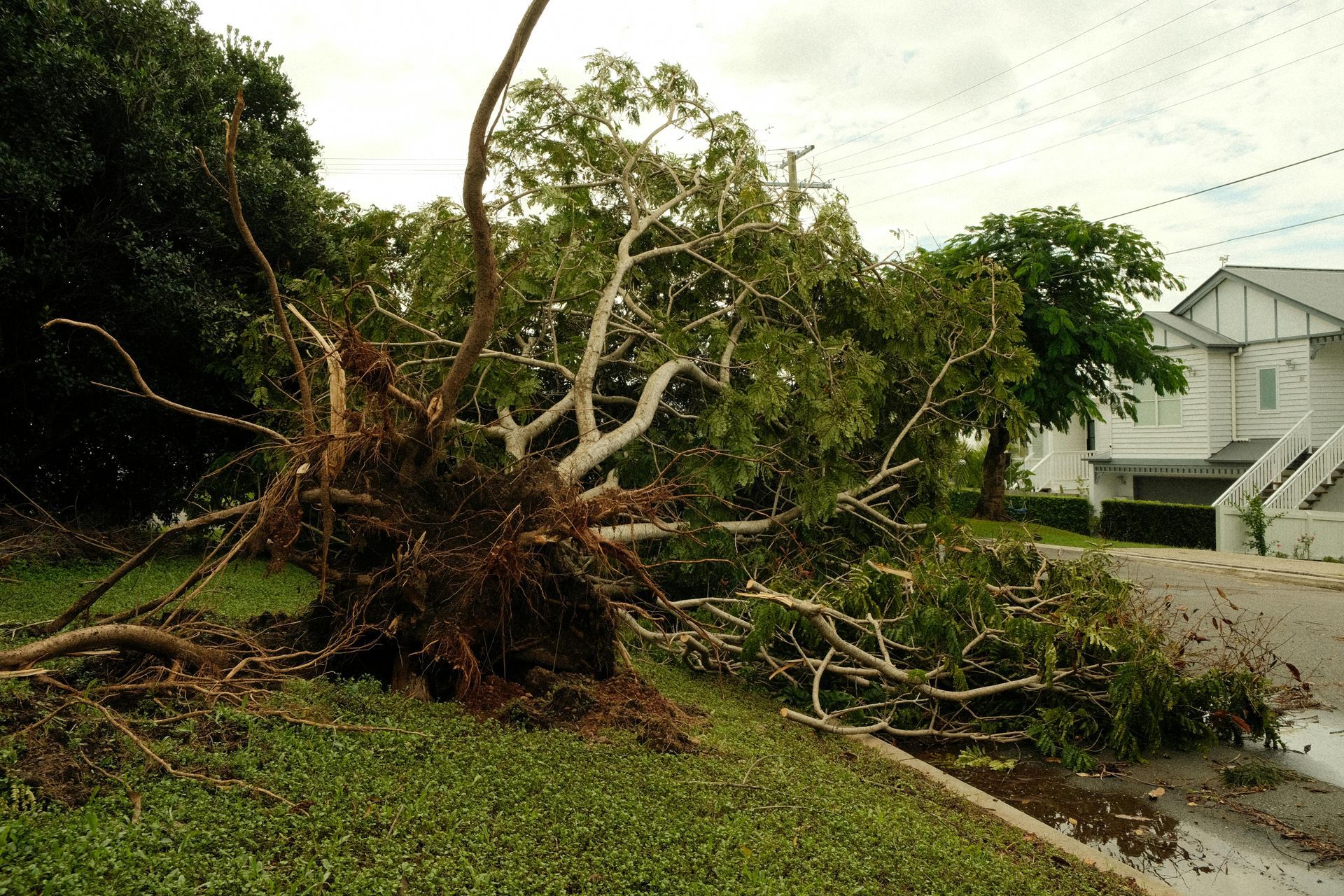
When storm-related claims increase across a region, insurance providers often reassess the level of risk associated with covering homes in that area. This broader evaluation can influence policies well beyond the properties that experienced direct damage.
As a result, homeowners may see changes such as higher premiums at renewal, increased wind or hail deductibles, and stricter requirements related to roof age and overall condition. In some cases, underwriting standards may become more selective, and coverage options for older homes may be more limited.
Even if a property shows no visible signs of storm damage, it can still be affected by these market-wide adjustments driven by regional losses.
How Roof Condition Affects Home Insurance in Texas
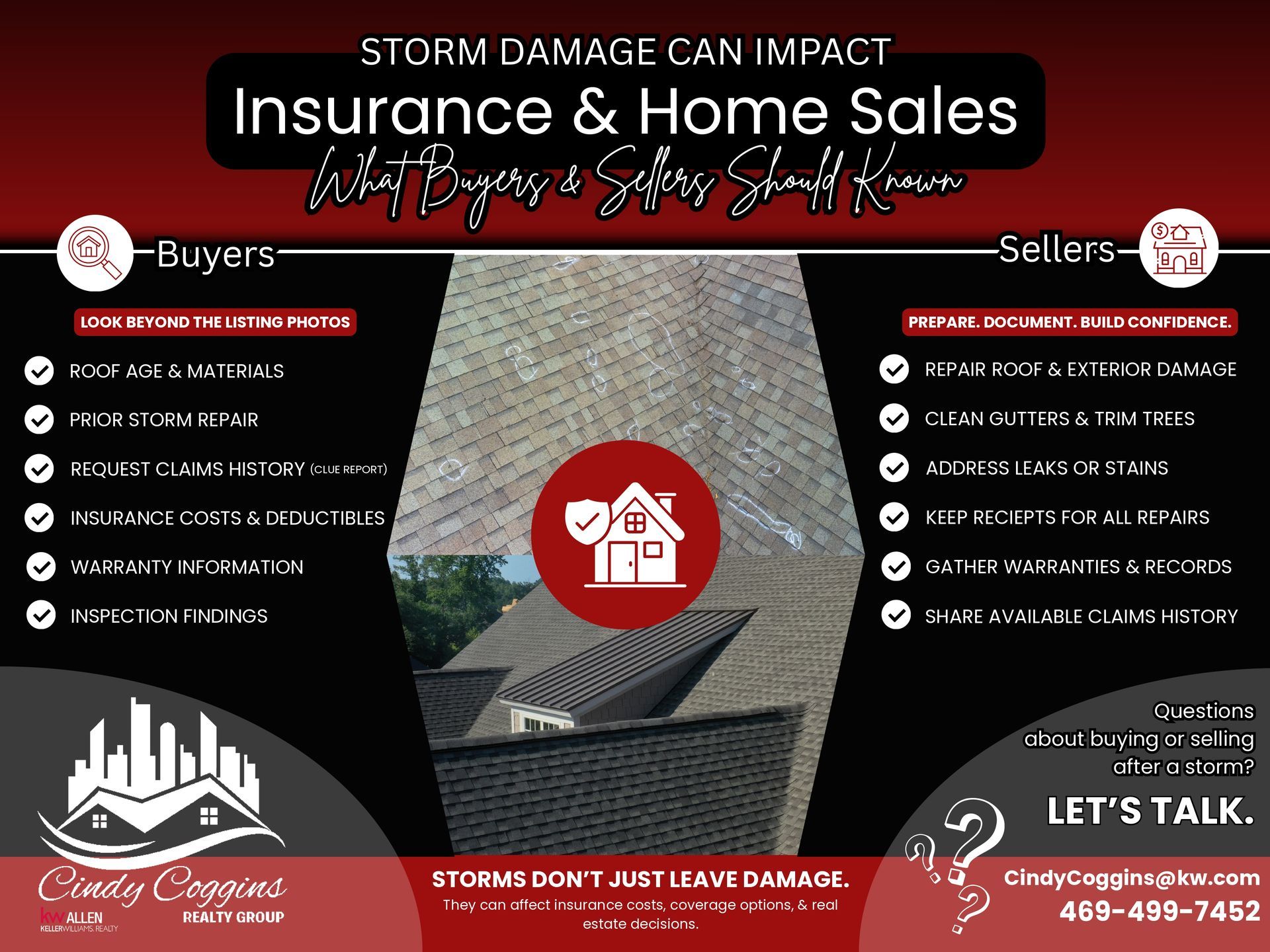
Roofs are often one of the first items insurers review after severe weather. In Texas, roof age, materials, prior repairs, and overall condition can all influence eligibility and pricing.
For homeowners unsure about their roof’s condition, a professional inspection may be a smart next step. Cindy Coggins Realty Group can connect you with trusted roof inspectors and qualified professionals.
What Home Buyers Should Know About Roofs and Insurance
For buyers, roofs are becoming a critical part of the decision-making process because they directly impact insurability, upfront costs, and long-term ownership expenses. In North Texas, where hail and wind claims are common, insurers often evaluate the roof before issuing or pricing a policy.
An older roof or one with questionable repairs can lead to higher premiums, larger deductibles, or limited coverage options. In some cases, buyers may even be required to repair or replace the roof before a policy is approved. That can turn what seemed like a solid purchase into an unexpected expense shortly after closing.
Roof condition can also affect your timeline. Insurance approval is typically required before closing, so any concerns about age or damage may delay the process while inspections or repairs are addressed.
For these reasons, it’s important to look beyond listing photos and ask detailed questions early. Understanding the roof’s age, material, repair history, and overall condition—and getting an insurance quote during the option period—can help you avoid surprises and make a more informed decision.
How Sellers Can Prepare for Insurance-Related Buyer Concerns
For sellers, roof condition and visible storm wear can have a direct impact on how buyers perceive the home. Signs of damage or deferred maintenance may lead to hesitation, additional inspection scrutiny, or increased negotiation pressure during the transaction.
Preparing ahead of listing can help reduce these concerns. Addressing obvious roof or fence damage, cleaning gutters and exterior drainage areas, trimming branches that hang over the roof, and repairing any visible leaks or interior stains can all improve how the property shows and performs during inspections.
Just as important is documentation. Keeping receipts for completed work, along with warranties and repair records, helps provide clarity and reassurance to buyers who may already be cautious about storm-related issues.
Taking these steps can help minimize surprises, support your asking price, and create a smoother transaction. If questions come up, we can also connect you with reputable insurance professionals who can help you understand how prior claims or repairs may be viewed from a buyer’s perspective.
How Homeowners Can Stay Prepared for Storm Season
For current homeowners, staying ahead of roof maintenance and insurance requirements can help prevent unexpected issues during renewal or in the event of a claim. Even minor storm impacts can worsen over time if not addressed, potentially leading to more costly repairs later.
It’s also important for homeowners to periodically review their insurance coverage, especially after major weather events in the area. Deductibles, exclusions, and coverage limits can change over time, and many policies now include separate wind or hail deductibles that may be higher than expected.
Keeping a record of roof inspections, maintenance, and any repairs can also be beneficial. This documentation may support future insurance claims and provide clarity if questions arise during a policy review or property sale.
Frequently Asked Questions About Storm Damage and Home Insurance
How long do homeowners typically have to file a storm damage claim?
Claim deadlines vary by insurance company and policy. Homeowners should review their policy documents and contact their insurance provider promptly after discovering potential damage.
Does homeowner's insurance cover fallen trees?
Coverage often depends on the cause of the damage and what was affected. Policy terms can vary, so homeowners should review their coverage and discuss specific situations with their insurance provider.
Are fences covered by homeowner's insurance after a storm?
Many policies provide some coverage for storm-damaged fences, but coverage limits, deductibles, exclusions, and claim requirements vary by insurer and policy.
What happens if a neighbor's tree falls on my property during a storm?
Responsibility depends on the circumstances, the condition of the tree before the storm, and the applicable insurance policies. These situations can be fact-specific and may require guidance from insurance or legal professionals.
Can a mortgage company require storm damage to be repaired?
In some situations, lenders may require repairs if storm damage affects the property's condition or value. Requirements can vary depending on the loan documents and lender policies.
Are storm-damaged homes harder to sell?
Not necessarily. Many homes experience storm damage at some point. Buyers are often more concerned about whether repairs were completed properly and whether documentation is available to support the work performed.
Does homeowner's insurance cover temporary housing after storm damage?
Some policies include additional living expense coverage when a covered loss makes the home temporarily uninhabitable. Coverage limits and eligibility vary by policy.
What should homeowners do immediately after a major storm?
Safety should come first. Homeowners may wish to document visible damage, prevent additional damage when possible, and contact appropriate professionals regarding inspections, repairs, or insurance-related questions.
Final Thoughts on Storm Damage and Home Insurance in North Texas
As Collin County cities like Plano, Frisco, McKinney, Allen, and surrounding communities continue through another storm season, it’s worth looking beyond immediate cleanup and short-term repairs. Insurance requirements, roof condition, and proper documentation are increasingly important factors that can influence both current ownership and future real estate decisions.
Being proactive now can help reduce surprises later—whether you plan to stay in your home or sell in the near future.
For guidance, questions about your specific situation, or connections to trusted roof inspectors and insurance professionals, contact Cindy Coggins Realty Group.
📞 Call or Text: (469) 499-7452
📧 Email:
cindycoggins@kw.com
⭐
See why so many clients trust us—check out our 5-star reviews on Google.
Disclaimer:
This article is for general informational purposes only and is not insurance, legal, or financial advice. Coverage, eligibility, and claims history access vary by provider and property.
Search Post
Recent Post










 Mr. Website Designer