
The Value of Landscaping When Selling a Home
Why Thoughtful Outdoor Design Matters Financially and Emotionally
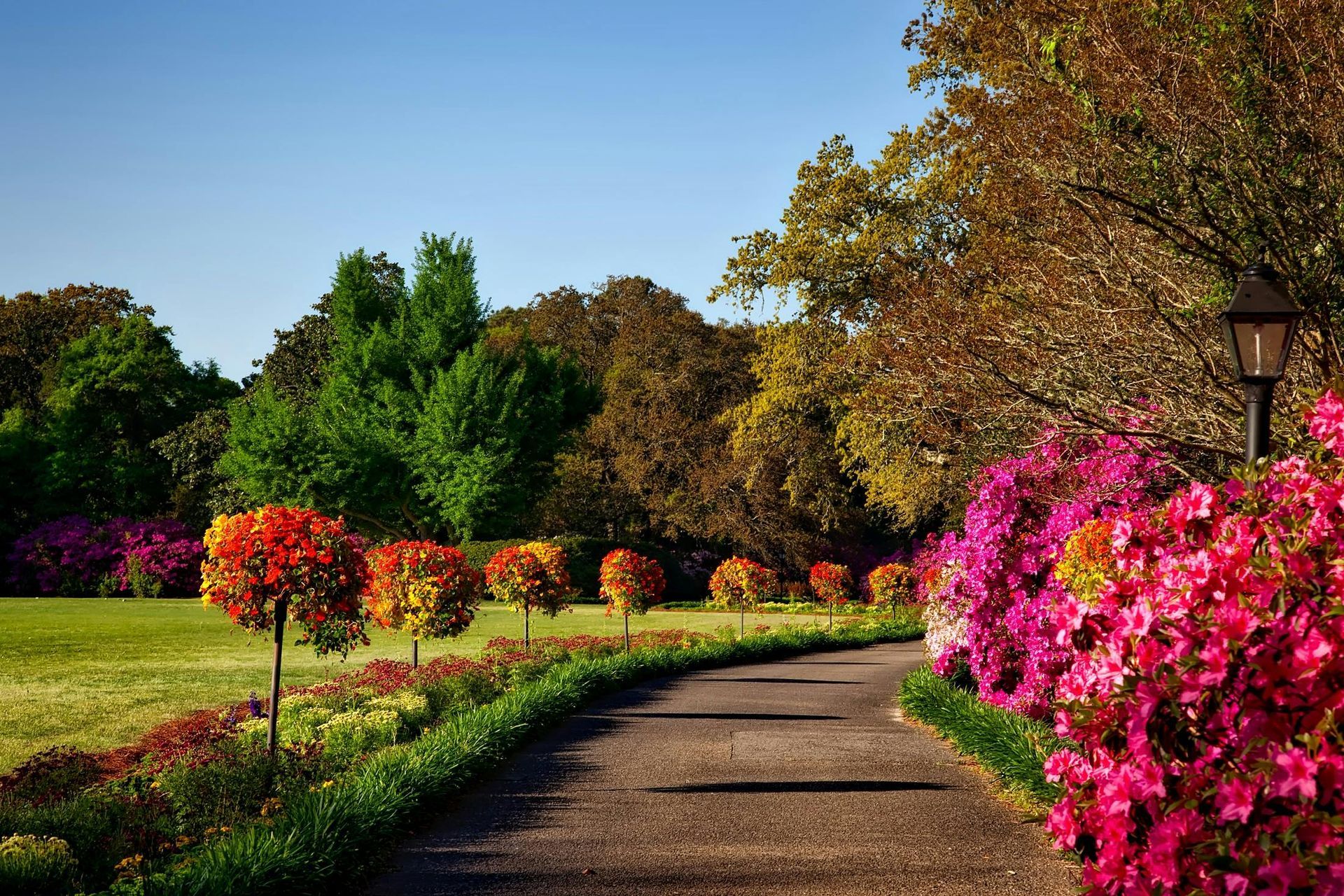
Landscaping is often treated as a finishing touch, but for homeowners preparing to sell, it can shape a buyer’s first impression before they ever step through the front door. A tidy lawn, healthy trees, defined beds, and a well-maintained entry suggest care. A neglected exterior can create the opposite impression and raise questions about how the rest of the property has been maintained.
For Allen and North Texas homeowners, landscaping also serves a practical purpose. It can improve comfort, support water-conscious maintenance, help manage heat, and make outdoor spaces feel more usable in a climate where yards are part of daily life.
Curb Appeal Begins Before the Showing
A buyer starts forming an opinion at the curb. Long before they notice flooring, countertops, or room size, they see the grass, trees, shrubs, walkway, front porch, and overall condition of the exterior.
That visual first impression matters. In 2020, the Appraisal Institute emphasized that lackluster landscaping or a poorly maintained exterior can affect a home’s potential resale value, while thoughtful exterior improvements may strengthen buyer appeal. The National Association of REALTORS®’ 2018 outdoor remodeling research also found that REALTORS® consistently viewed lawn care and landscape maintenance as worthwhile projects for sellers preparing a home for market.
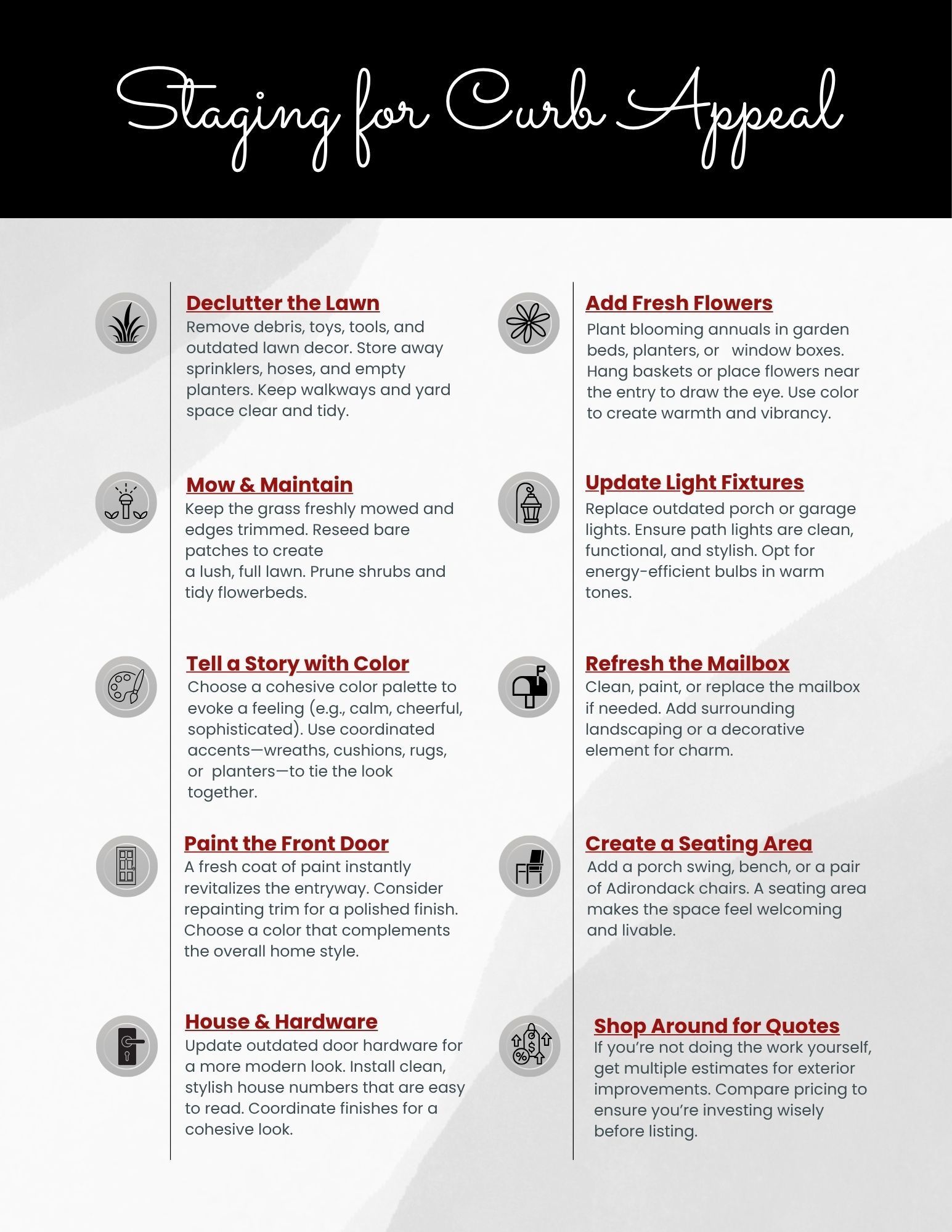
Landscaping does not need to be elaborate to be effective. Often, the strongest seller improvements are simple: trimming overgrowth, refreshing mulch, removing weeds, edging walkways, replacing dead plants, and making the entry feel clean and intentional.
A Well-Planned Yard Supports the Home Itself
Landscaping is not purely decorative. Trees, vegetation, and thoughtful site design can help cool outdoor surfaces and reduce heat buildup around buildings. The EPA has long recognized trees and vegetation as practical tools for reducing heat islands because they provide shade and cooling through natural processes.
In North Texas, where summer heat is a serious consideration, shade and plant placement can influence how a yard feels and how comfortable outdoor spaces are to use. Landscaping also intersects with grading and drainage. Poorly directed runoff can erode soil, damage beds, and move water toward structures instead of away from them. While drainage solutions should be evaluated property by property, homeowners should recognize that outdoor design and property protection often go hand in hand.
Native and Adapted Plants Can Be a Smarter Long-Term Choice
Homeowners who want to refresh their landscaping do not necessarily need high-maintenance plantings. Texas SmartScape, a North Texas water-conservation initiative created in 2000, promotes native and adapted plants because they are generally better suited to local heat, can support water conservation, and may require less intensive upkeep than less climate-appropriate choices.
That matters for both sellers and owners staying put. A landscape that looks attractive but demands constant watering, replacement, or intensive maintenance may not feel like a benefit to future buyers. A yard that feels healthy, intentional, and suited to the region often creates a more durable impression.
Outdoor Spaces Influence How a Home Feels
Landscaping also has an emotional effect. Buyers are not only evaluating the house itself. They are imagining mornings on the patio, children playing in the yard, pets outside, gatherings with family, or simply the relief of coming home to a property that feels cared for.
The 2018 Remodeling Impact Report on Outdoor Features found that landscape-related projects ranked highly in homeowner satisfaction, reinforcing something real estate professionals see every day: outdoor spaces affect how people experience a home, not just how it photographs.
That emotional connection can matter during a sale. A yard does not need to be resort-like to help a buyer connect. It needs to feel usable, maintained, and aligned with the home.
Local Gardening Resources Can Help
For Allen-area homeowners looking to improve their yards, local guidance can be useful. The Collin County Master Gardeners Association has long provided educational resources and seasonal programming for North Texas gardeners, including plant-focused events and regionally relevant information. Texas SmartScape also offers plant lists and design guidance tailored to local climate realities.
These resources can help homeowners make more informed decisions before spending money on plantings that may not thrive in the area.
Closing Thoughts
Landscaping is more than curb appeal. It influences first impressions, strengthens the feeling of care, supports outdoor enjoyment, and can make a home feel more complete. For sellers, that matters. For homeowners staying put, it can improve daily life in ways that are both practical and rewarding.
At Cindy Coggins Realty Group, we believe great homes are experienced from the curb to the back fence. Whether you are preparing to sell or simply improving the place you already love, thoughtful landscaping can help your property feel more welcoming, more polished, and more valuable to the people who see it.
📞 Call or Text:
(469) 499-7452
📧 Email: cindycoggins@kw.com
⭐
See why so many clients trust us—check out our 5-star reviews on Google.
Sources:
Appraisal Institute. Landscaping Can Have Major Impact on Property Values, Appraisal Institute Says. May 12, 2020.
National Association of REALTORS® and National Association of Landscape Professionals. 2018 Remodeling Impact Report: Outdoor Features. 2018.
U.S. Environmental Protection Agency. Using Trees and Vegetation to Reduce Heat Islands. 2016 archival version.
North Central Texas Council of Governments. Texas SmartScape Program History and Resources.
Texas SmartScape. Native and Adaptive Plant Guidance.
Collin County Master Gardeners Association. Events and Gardening Resources.
Disclaimer:
This article is for general informational purposes only and is not intended as appraisal, landscaping, horticultural, drainage, engineering, financial, or real estate advice. Landscaping needs, maintenance requirements, resale influence, water use, plant suitability, and property value considerations vary by home, lot, market conditions, and buyer preferences. Homeowners should consult the appropriate professionals, including real estate agents, landscapers, arborists, drainage specialists, appraisers, and municipal or water-conservation resources as needed. Information is deemed reliable but not guaranteed.
Frequently Asked Questions About Landscaping When Selling a Home
Should sellers replace every dead or struggling plant before listing?
No. Focus on the areas buyers see first, especially the front entry, main beds, and backyard gathering spaces. A clean, simple landscape is usually more effective than adding many new plants at once.
Can too much landscaping work against a home sale?
Yes. High-maintenance gardens, dense planting, or features that require specialized care may feel overwhelming to some buyers. Aim for a yard that looks attractive but manageable.
Should sellers remove personal garden features before listing?
Consider simplifying items such as large vegetable gardens, decorative collections, elaborate planters, or highly personalized yard art if they distract from the usable space or make the yard feel crowded.
How can sellers make a small yard feel more usable?
Define one clear purpose for the space, such as a sitting area, dining spot, pet area, or play zone. Buyers respond better when they can easily understand how the yard could function.
Is it worth refreshing the backyard if buyers will mostly notice the front first?
Yes. Buyers often decide emotionally in the backyard whether the property feels like a place they could enjoy. Basic cleanup, furniture editing, and clearing unused items can make a meaningful difference.
What is one landscaping mistake sellers should avoid?
Starting a large project too close to listing. New sod, major tree work, hardscape changes, or irrigation repairs can create mud, disruption, unfinished areas, or delays. Smaller cleanup and maintenance projects are often safer close to launch.
Search Post
Recent Post








 Mr. Website Designer