
The Hidden Value in a Well-Maintained Home
The Overlooked Advantage
When most people talk about real estate, the conversation tends to center on timing—whether the market is rising or cooling. Others focus on location, or on whether certain upgrades like quartz countertops or hardwood floors will “add value.”
But there’s one factor that rarely gets the attention it deserves, even though it quietly influences every part of a home’s worth: maintenance.
It’s not flashy. It doesn’t show up in listing photos. And it’s rarely discussed in online market updates. Yet it plays a defining role in how a home performs when it’s time to sell.
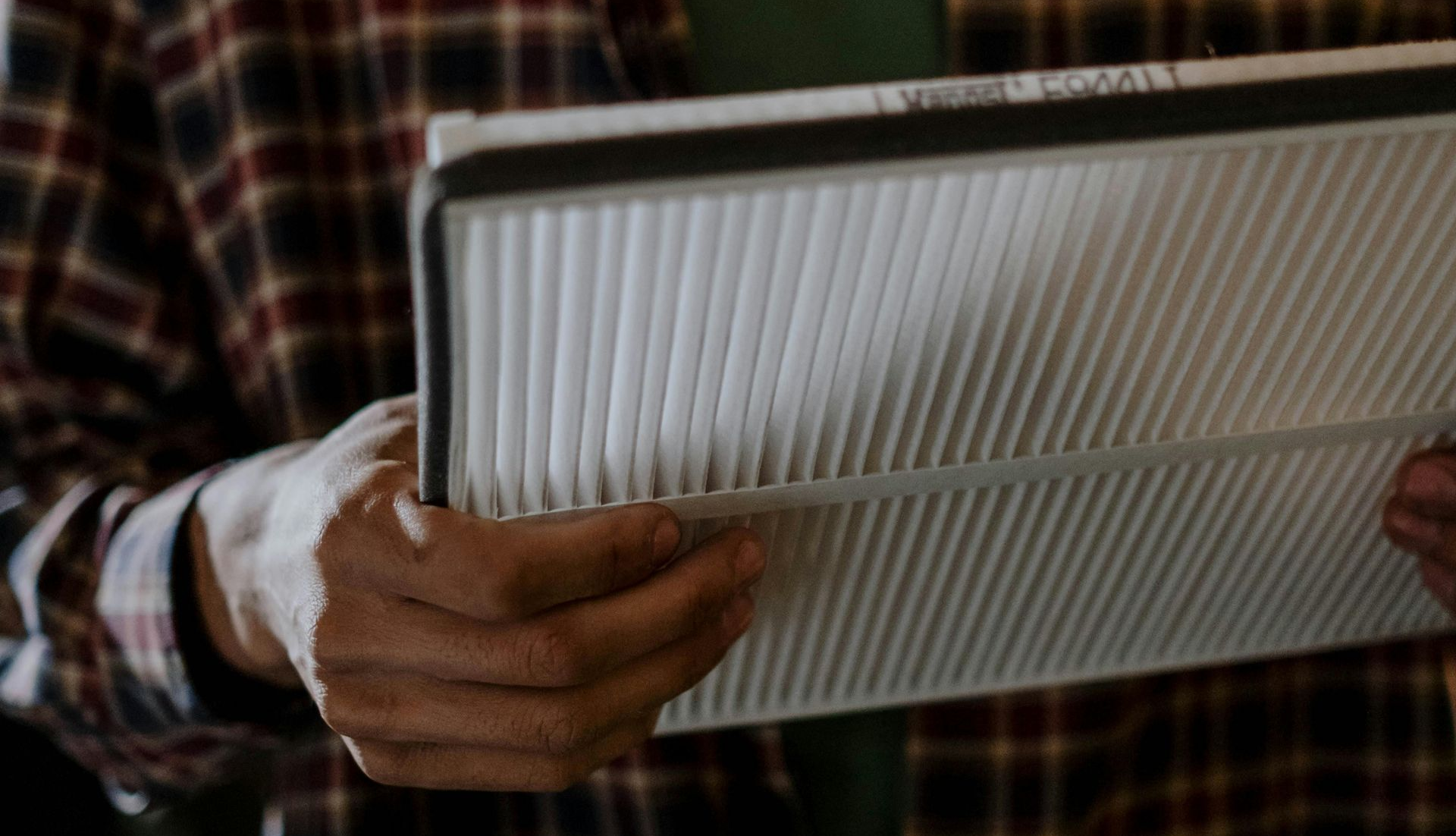
Simple, consistent upkeep—cleaning gutters, servicing HVAC systems, sealing exterior gaps, replacing filters—creates a home that not only feels cared for, but performs differently in the market.
Well-maintained homes tend to show better, inspect cleaner, and negotiate stronger. Not because they’re newer or more upgraded, but because they carry fewer unknowns.
In real estate, fewer surprises almost always translates to more value.
Why Maintenance Adds Real Market Power
A well-maintained home communicates something powerful long before an offer is ever written: this property has been respected.
That message matters to everyone involved in the transaction.
For sellers, documentation of ongoing maintenance—service records, repair receipts, and seasonal upkeep—can become an important part of the listing strategy. It reduces perceived risk and helps support stronger pricing confidence during negotiations.
For buyers, maintenance history often tells a more complete story than finishes alone. Fresh paint can hide flaws, but consistent care reveals stability. A properly serviced HVAC system, a sound roof, and clean drainage systems can prevent costly surprises after closing.
Maintenance doesn’t just preserve value—it reinforces it.
The Hidden Return on Routine Care
Home maintenance is often treated as an expense, but in reality, it functions more like long-term protection of equity.
A relatively small investment—like a seasonal HVAC tune-up—can extend the life of a major system by years. Routine inspections of caulking, roofing, or drainage can prevent damage that would cost significantly more to repair later.
These are not dramatic improvements. They are quiet safeguards.
And when a home enters the market, they become visible in ways homeowners don’t always expect. Inspectors find fewer issues. Appraisers see fewer risk adjustments. Buyers feel more confident moving forward without hesitation.
The result is simple: less friction, stronger offers, and a smoother path to closing.
Turning Maintenance Into Strategy
At Cindy Coggins Realty Group, we often remind clients that strong real estate outcomes begin long before a home is listed.
Thinking like a homeowner is important—but thinking like an investor inside your own home can make a meaningful difference in long-term value.
That means approaching maintenance not as a reaction to problems, but as a proactive strategy that protects equity over time.
Our team helps North Texas homeowners prioritize the small, high-impact details that support resale value and reduce surprises during the selling process.
Because in real estate, consistency often outperforms intensity.
A well-kept home is rarely an accident—it’s the result of intentional care over time.
Whether you’re planning a future move or simply protecting your investment, thoughtful maintenance is one of the most reliable ways to preserve value in any market.
Cindy Coggins Realty Group proudly serves Allen, Plano, McKinney, Frisco, and communities throughout Collin County and the greater DFW area.
If you’re thinking ahead to your next move—or want to understand what improvements actually matter in today’s market—we’re here to help you build a clear, confident plan.
For homeowners who want to stay organized long after closing, we also recommend our
Homeownership Record Book. It’s a simple way to track maintenance, updates, warranties, and key property details in one place so nothing gets lost over time.
Frequently Asked Questions About Protecting a Home’s Long-Term Value
What is the difference between maintenance and improvement?
Maintenance preserves the home’s condition. Improvements change or upgrade it. Replacing a worn HVAC filter, sealing exterior gaps, servicing systems, and correcting drainage are maintenance. Remodeling a kitchen, changing flooring, or adding built-ins are improvements. Both can matter, but maintenance is what keeps a home from losing value unnecessarily.
What should homeowners document besides receipts?
Homeowners should document dates, who performed the work, what was repaired or serviced, product model numbers, warranty terms, before-and-after photos, and any recurring issue that was corrected. A receipt shows money was spent; a clear record explains what changed and why it matters.
Which maintenance items can affect buyer confidence the fastest?
Buyers tend to react quickly to signs of water intrusion, roof concerns, HVAC uncertainty, foundation movement, electrical issues, plumbing leaks, pest activity, and poor drainage. These areas can raise questions about cost, safety, insurability, and future repairs.
How can homeowners tell if a small issue is becoming a bigger problem?
Look for patterns. A one-time sticky door may be minor, but several doors sticking, new cracks, moisture stains, recurring odors, or repeated HVAC trouble may deserve closer evaluation. The pattern often matters more than the single symptom.
Should homeowners keep records for work they did themselves?
Yes. DIY work should still be documented. Note the date, materials used, reason for the repair, and photos of the finished result. If the work involved electrical, plumbing, structural, or permit-related items, homeowners should verify whether professional guidance or documentation is needed.
What maintenance records are most helpful when selling?
The most useful records are the ones that reduce uncertainty: HVAC service history, roof repairs or replacement, water heater age, foundation evaluations, plumbing repairs, drainage improvements, pest treatments, appliance warranties, and any permitted work.
How often should homeowners walk through their home like a buyer would?
A few times a year, homeowners should walk through the home with fresh eyes. Look at baseboards, ceilings, windows, doors, caulk lines, exterior trim, attic access, under sinks, closets, garage areas, and the yard. Small changes are easier to catch when you are looking intentionally.
What is the biggest mistake homeowners make with maintenance?
Waiting until something breaks. Deferred maintenance usually costs more, creates more stress, and can weaken negotiating power later. A proactive approach gives homeowners more control over timing, cost, and repair quality.
How can a homeowner prioritize maintenance on a limited budget?
Start with anything related to water, safety, structure, major systems, or active deterioration. Cosmetic items can often wait, but leaks, drainage issues, electrical concerns, HVAC performance, roof problems, and exterior gaps should move higher on the list.
Why does consistency matter more than one big repair before selling?
A last-minute repair may solve one problem, but consistent care tells a broader story. Buyers are often more comfortable with a home that has been steadily maintained over time than one that appears to have been rushed into shape right before listing.
📞 Call or Text: (469) 499-7452
📧 Email:
cindycoggins@kw.com
⭐ See why so many clients trust us—check out our 5-star reviews on Google.
Disclaimer:
This article is provided for general informational purposes only and is not intended as financial, investment, appraisal, inspection, or legal advice. Real estate conditions, property performance, and market outcomes vary based on location, property condition, and individual circumstances. While maintenance can influence buyer perception and transaction outcomes, no specific result, valuation, or sale outcome is guaranteed. Readers should consult qualified professionals for guidance specific to their property and situation.
Search Post
Recent Post









 Mr. Website Designer