
Winterizing Your Home: Prepare for Freezing Temperatures and Safety During Icy Weather
Your North Texas Winter Readiness Plan
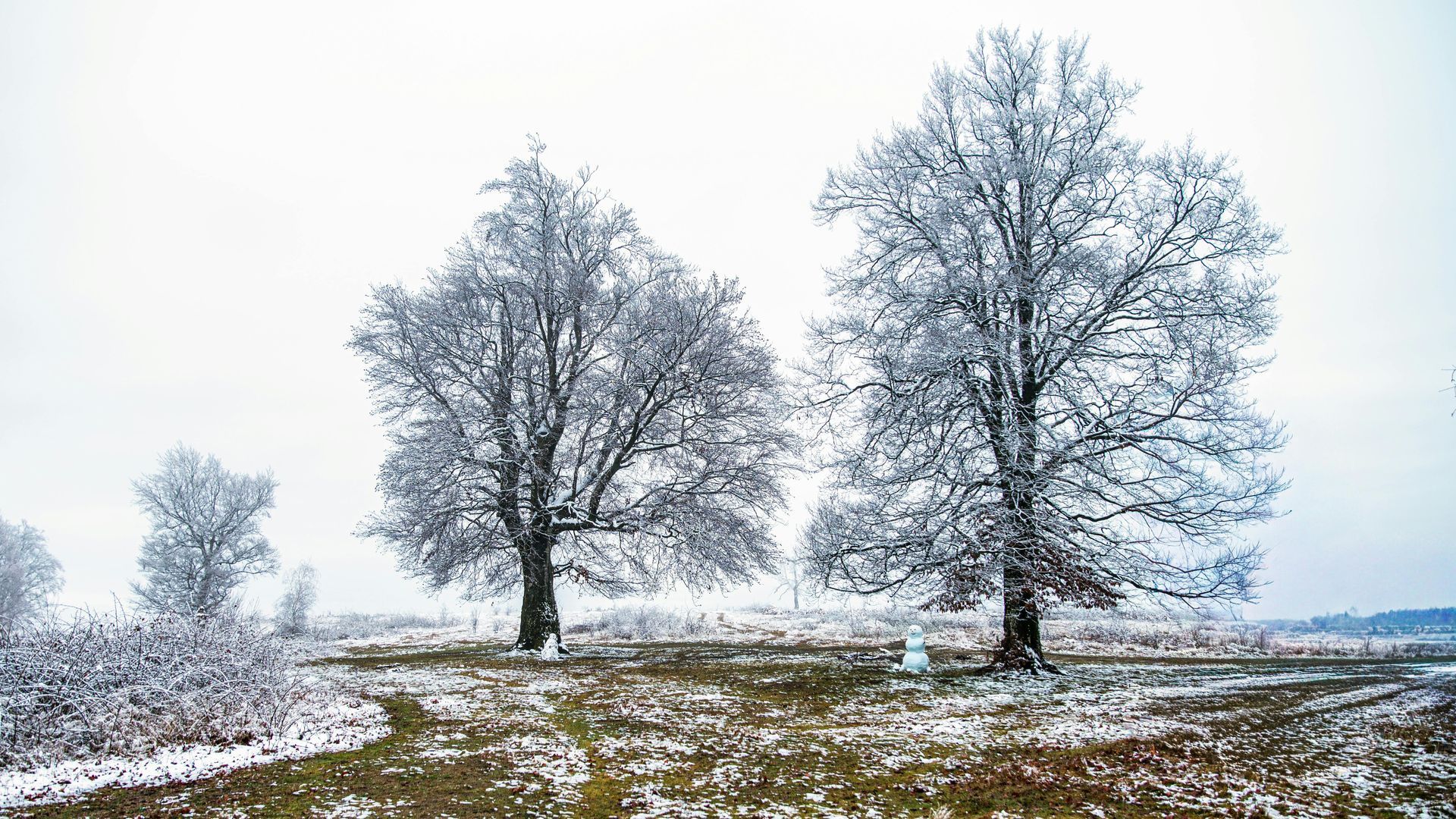
Texas winters can be unpredictable. A mild week can quickly give way to freezing temperatures, icy roads, and power concerns. For homeowners in Frisco, Collin County, and across North Texas, a little preparation before a cold snap can help prevent expensive damage, protect household safety, and make severe weather far less stressful.
Winterizing a home is not just about comfort. It is about protecting pipes, reducing avoidable strain on home systems, preparing for outages, and knowing what to do if something goes wrong.
Start With the Parts of the Home
Most Vulnerable to Cold
Cold air finds the weak spots first. Gaps around doors, windows, attic access points, and other openings can make a home harder to heat and less comfortable during a freeze. The U.S. Department of Energy recommends air sealing with weatherstripping and caulk as practical ways to reduce drafts and improve efficiency.
Before temperatures drop, walk through the home with a practical eye:
- Check exterior doors and windows for noticeable drafts.
- Add or replace weatherstripping where needed.
- Seal obvious gaps around attic access doors and other air-leak points.
- Replace dirty HVAC filters so the system can operate more effectively.
Pipes also deserve early attention. Texas homes may have plumbing in attics, garages, exterior walls, or other vulnerable spaces that are less protected from sustained freezing temperatures. Texas A&M AgriLife advises protecting exposed pipes before a freeze, especially in southern homes where pipes may be less insulated than in colder regions.
Protect Outdoor Water Systems
Before the Freeze Arrives
Outdoor faucets and irrigation systems are easy to overlook until temperatures fall. The City of Frisco recommends turning off automatic sprinkler systems, disconnecting and draining hoses, wrapping exterior hose bibs and exposed pipes, and opening under-sink cabinet doors when plumbing is located on an exterior wall.
These are simple steps, but they matter. A frozen exterior line or damaged irrigation component can turn into an avoidable repair once temperatures rise.
It is also worth making sure everyone in the household knows where the main water shutoff is located. If a pipe breaks, knowing how to stop the flow quickly can limit damage. Frisco Public Works specifically advises residents to identify the shutoff before an emergency occurs.
Prepare for the Possibility of Power Loss
Winter storms can create disruptions beyond freezing pipes. The National Weather Service recommends preparing for home emergencies with supplies such as flashlights, batteries, blankets, food, and water.
A practical winter supply check may include:
- Flashlights and fresh batteries
- Phone chargers or backup power banks
- Blankets and warm clothing
- Drinking water and shelf-stable food
- Essential medications and pet supplies
- A basic first-aid kit
If you use a generator during an outage, safety is critical. The EPA warns that portable generators should only be operated outdoors and at least 20 feet away from buildings because generator exhaust contains deadly carbon monoxide. Working carbon monoxide alarms are also important during outage conditions.
If a Pipe Freezes, Respond Carefully
A frozen pipe does not always burst immediately, but it should be treated seriously. Common warning signs include little or no water flow from a faucet, frost on exposed piping, or visible swelling along a pipe.
Texas A&M AgriLife advises opening the affected faucet and applying gentle heat, such as a hair dryer or heating pad. Open flames should never be used because of the fire risk.
If you cannot locate the frozen section, if a pipe has already burst, or if you notice leaking once thawing begins, shut off the water and call a licensed plumber.
Think About Ice, Falls, and
Indoor Air Safety Too
Winter preparation is not limited to the plumbing system. Icy walkways, driveways, and steps can create fall hazards. The National Weather Service recommends using traction footwear and adding sand or de-icing material where appropriate.
Inside the home, be cautious with any temporary heating or backup power source. The EPA notes that power outages and winter weather can affect indoor air quality, particularly when combustion devices are used improperly.
Why Winter Readiness Matters
for Homeowners
A Texas freeze can expose problems that homeowners may not notice during milder weather: weak insulation, vulnerable pipes, drainage concerns, aging HVAC systems, and deferred exterior maintenance. Addressing those issues early can help protect both day-to-day comfort and the long-term condition of the property.
For homeowners preparing to sell, weather-related damage can also become a transaction issue if repairs are needed, inspections reveal concerns, or systems fail at the wrong time. For homeowners planning to stay, winter readiness is simply part of smart property care.
At Cindy Coggins Realty Group, we believe homeownership guidance should go beyond the transaction. Whether you are preparing to sell, settling into a new home, or simply protecting the one you already love, practical seasonal maintenance helps safeguard your investment through every stage. When professional help is needed, we are also happy to connect homeowners with trusted local vendors and service providers we know, or work alongside the professionals they already prefer.
📞 Call or Text: (469) 499-7452
📧 Email:
cindycoggins@kw.com
⭐ See why so many clients trust us—check out our 5-star reviews on Google.
Sources:
U.S. Department of Energy — Air Sealing Your Home; Weatherstripping
Texas A&M AgriLife Extension — Winter Storms: Preventing and Thawing Frozen Pipes
City of Frisco — Cold Weather Tips; Winter Weather Alerts/Resources
National Weather Service — Winter Safety at Home
U.S. Environmental Protection Agency — Winter Weather and Indoor Air Quality; Power Outages and Indoor Air Quality
Disclaimer:
This article is for general informational purposes only and is not intended as legal, insurance, plumbing, HVAC, roofing, electrical, safety, or home-repair advice. Winter weather conditions, freeze risks, utility guidance, local recommendations, and property needs can vary. Homeowners should verify information with official sources and consult appropriate licensed professionals, including plumbers, HVAC technicians, roofers, electricians, insurance providers, and other qualified service providers as needed. Vendor suggestions, when offered, are based on observed reliability and are provided as a courtesy; Cindy Coggins Realty Group does not receive compensation for these recommendations. Information is deemed reliable but not guaranteed.
Search Post
Recent Post




 Mr. Website Designer